
Mouth Ulcer
Heal Mouth Ulcers Quickly With Safe & Effective Treatment
What are Mouth Ulcers?
Mouth ulcers are small, painful sores that show up inside the mouth. They can appear on gums, tongue, inner cheeks, lips, or even the roof of the mouth. These tiny spots may look red, yellow or white and can make eating or talking uncomfortable. Most mouth ulcers heal on their own, but some need proper mouth ulcer treatment to get better.
Many things can cause them, like biting the cheek, eating spicy food, stress, or not getting enough vitamins. There are different types of mouth ulcers, such as minor ulcers, major ulcers and tiny cluster ulcers.

Mouth Ulcer Causes
Mouth ulcers can happen for many different reasons, and sometimes it’s hard to know the exact cause. Understanding what
triggers them can help you cure mouth ulcers quickly and learn to heal them more safely.
Physical Injury
Mouth ulcers often develop from minor internal injuries, such as accidentally biting your cheek or tongue, burning your mouth on hot food, brushing too aggressively, or experiencing constant friction from braces and other dental appliances.
Irritants & Sensitivities
Certain products and dietary factors can easily trigger mouth irritation, including harsh chemicals found in some toothpastes and mouthwashes, consuming spicy, sour, or acidic foods, or experiencing an underlying food allergy.
Vitamin Deficiencies
Lack of important vitamins like B12, folate, iron, zinc and vitamin D can make ulcers more common.
Hormonal Changes
Changes during puberty, pregnancy or menopause may trigger mouth ulcers in some people.
Stress & Lifestyle
Being stressed, not sleeping well or suddenly quitting habits like smoking can make ulcers appear more easily.
Infections
In some cases, mouth sores that closely resemble common ulcers are actually the result of an underlying viral, bacterial or fungal infection.
Medications
Certain medicines, such as strong painkillers or NSAIDs, may increase the chances of getting ulcers.
Medical Conditions
Some health issues, like immune system disorders, stomach problems or celiac disease, can also lead to mouth ulcers.
Types of Mouth Ulcers
There are different types of mouth ulcers and each one looks a bit different. Identifying the type helps you choose the right treatment and understand how to cure a mouth ulcer safely. If an ulcer lasts too long or becomes very painful, it’s important to visit a mouth ulcer specialist.
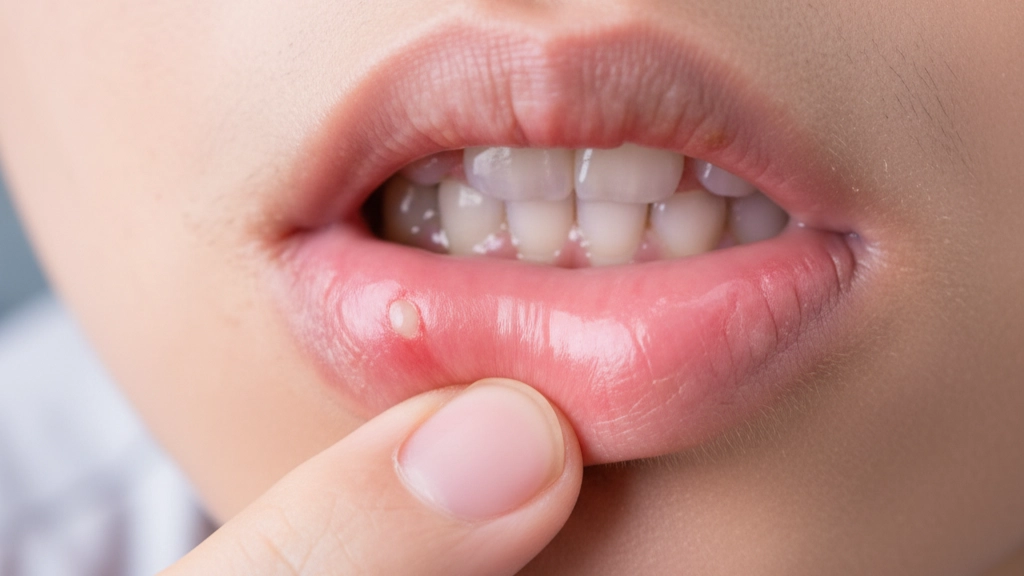
Canker Sores (Aphthous Ulcers)
These are the most common mouth ulcers, often appearing as small white or yellow spots with a red border. They can happen due to stress, small injuries or eating certain foods.
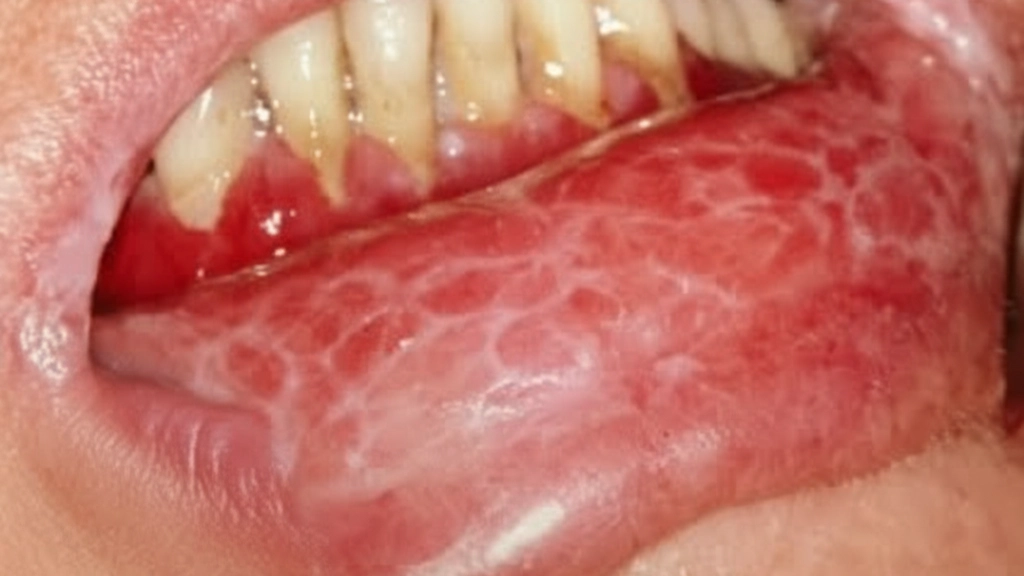
Oral Lichen Planus
This type causes white lace-like patterns or itchy patches inside the mouth. It is linked to the body’s immune system and can last longer than normal ulcers.
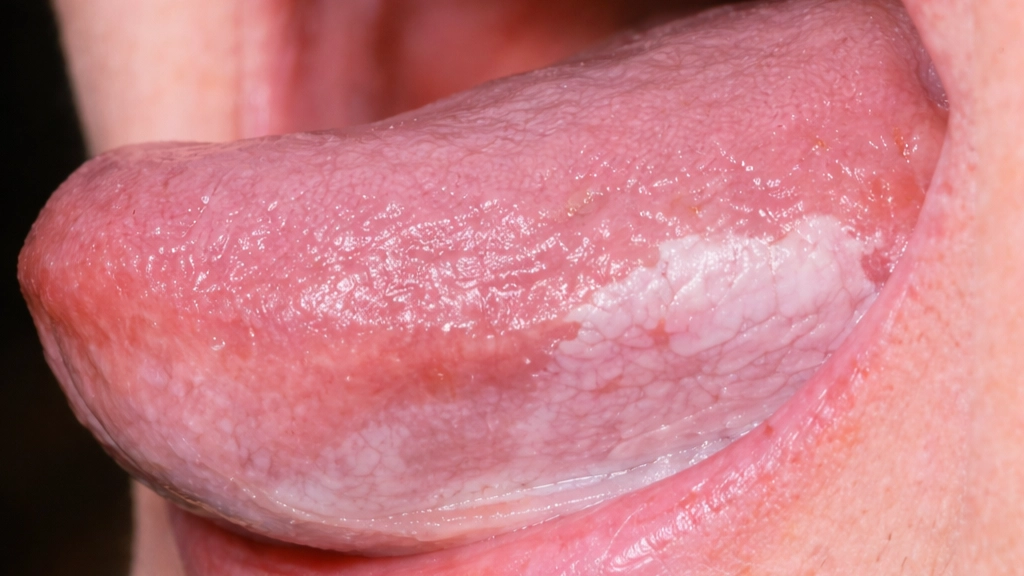
Leukoplakia
White or grey patches inside the mouth are indicative of Leukoplakia. It often occurs due to irritation, such as tobacco use. These patches are not typical ulcers but need attention because they can grow or change over time.
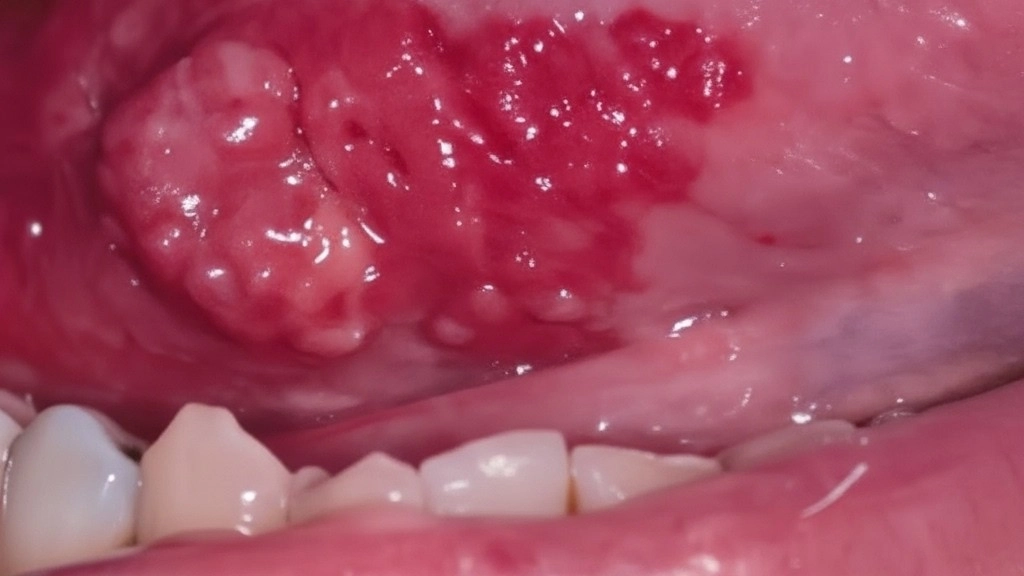
Erythroplakia
These are bright red patches seen on the tongue, gums or inside the cheeks. They are less common but more serious and must be checked quickly by a specialist.
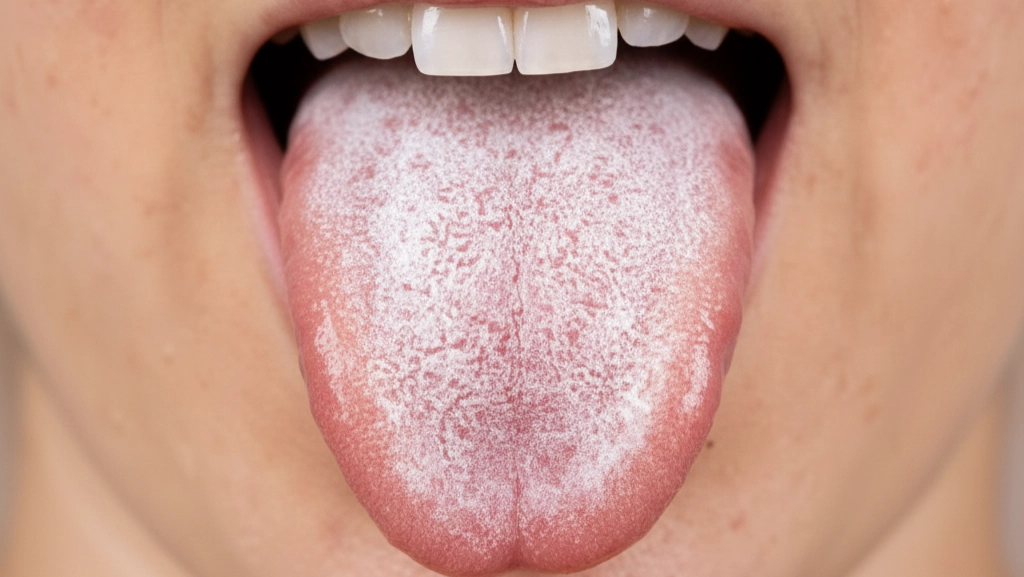
Oral Thrush
This type looks like creamy white patches caused by a fungal infection. It often happens if someone is sick or taking antibiotics. Treating the infection helps the sores heal faster.
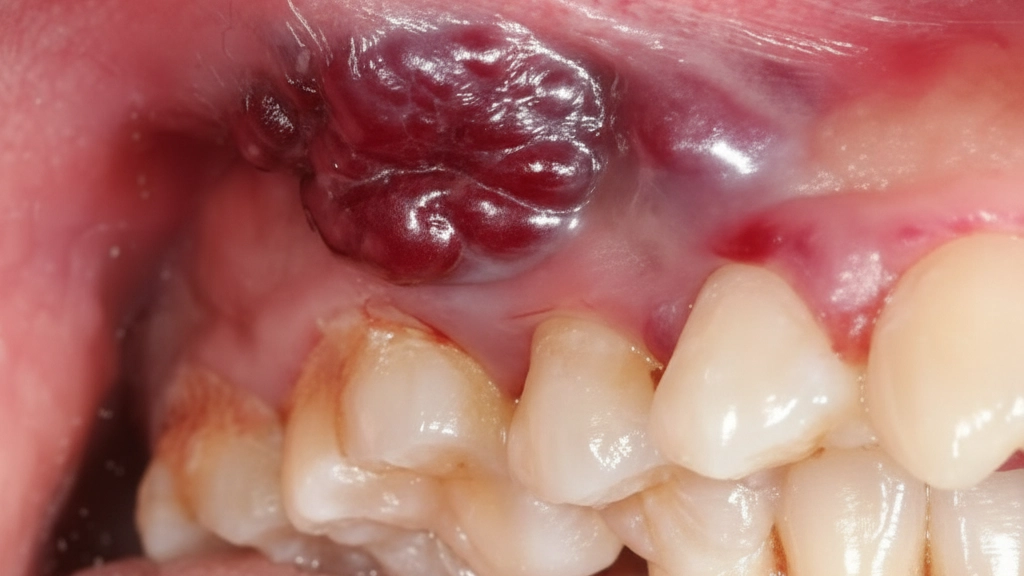
Mouth Cancer (Rare)
In very rare cases, long-lasting mouth sores that do not heal may be a sign of something serious. If an ulcer stays for more than three weeks, it must be checked by a mouth ulcer doctor immediately.
How are Mouth Ulcers diagnosed?
Diagnosing a mouth ulcer is usually a quick and straightforward process. During a consultation, our dentist identifies the issue simply by examining the inside of your mouth. We assess the size, color and specific location of the sore to determine the most effective approach, whether that means targeted treatment for an ulcer on the tongue, specialized care for a child or relief for an ulcer beneath the tongue.
Our Structured Clinical Evaluation
- Exactly where the ulcer has formed (e.g., inner cheeks, lips, top of the tongue, or under the tongue).
- How long the sore has been present and whether it is changing in size or shape?
- If it is causing you significant pain while eating, swallowing, or talking?
- Whether you or your child have a history of recurring mouth ulcers?
Advanced Diagnostics (Only When Needed)
In the vast majority of cases, a careful visual check is all that is required. However, if an ulcer is unusually large, keeps coming back, or doesn’t heal within a couple of weeks, we may recommend further investigation to find the root cause:
- Swab Tests
- Blood Tests
- Biopsy
Why Diagnosis Matters?
At Ivy Clinics, we know that treating symptoms without knowing the underlying cause only delays real relief. An accurate diagnosis allows our integrated team to build a realistic, targeted plan, whether that involves smoothing out an irritating tooth, prescribing soothing topical gels, or addressing a specific deficiency. A clear diagnosis is the fastest, safest route to predictable healing.
Mouth Ulcer Treatment
At Ivy Clinics, our approach to treating mouth ulcers depends entirely on what is causing them. While most minor ulcers heal on their own, the right targeted care can significantly reduce your pain and accelerate recovery. Because ulcers can stem from various conditions—ranging from simple canker sores to oral thrush or lichen planus—we ensure your treatment matches your specific diagnosis.
- Home Care & Simple Remedies
- Medicines You Can Use
- Advanced Treatment Options
For minor, infrequent ulcers, simple adjustments can help calm the burning sensation and protect the area while it heals naturally:
- Rinsing with salt water
- Using a mild baking soda paste
- Drinking plenty of water
- Avoiding spicy or acidic foods
- Keeping the mouth clean
When home care isn’t enough, or if you need faster relief to eat and speak comfortably, our doctors may recommend specific medical treatments:
- Numbing gels or protective ointments that form a shield over the ulcer.
- Specialized pain-relief or antimicrobial mouthwashes.
- Targeted vitamin supplements (such as B12, folate, or iron) if blood tests reveal a deficiency.
- Antifungal or antiviral medications for ulcers caused by specific underlying infections.
For severe, highly painful, or frequently recurring ulcers, doctors may suggest:
- Laser therapy to reduce pain and speed healing
- Prescription medicines to control inflammation
Trying to guess the right over-the-counter medicine can sometimes prolong the discomfort. If your mouth ulcer is exceptionally painful, lasts longer than two weeks, keeps coming back, or bleeds, visiting our specialists is the safest and most effective way to find lasting relief.
Frequently Asked Questions
Get clear answers about laser dentistry and dental laser treatment at Ivy Clinics. We’re here to ease your concerns.
The treatment depends on the cause of Ulcer. Mild ulcers heal with home care like saltwater rinses and soft foods. For painful or recurring ulcers, medicated gels, mouthwashes or supplements help. A proper diagnosis is always step one.
While you cannot instantly cure an ulcer, you can speed up healing and significantly reduce pain. Stick to a soft, bland diet, drink plenty of water, and rinse gently with warm salt water. Avoid spicy, sour, or rough foods (like chips) that can scratch the raw tissue.
You should book a consultation if your mouth ulcer lasts for more than two weeks, keeps coming back, is unusually large, bleeds, or makes it too painful to eat or drink. These are signs that it needs professional evaluation rather than home remedies.
Yes. The most common are minor ulcers (small and heal quickly) and major ulcers (larger, deeper, and take weeks to heal). There are also herpetiform ulcers (clusters of pinpoint sores) and ulcers caused by underlying conditions like oral thrush or lichen planus. Because they all look different, a professional eye is the safest way to identify them.
Depending on the diagnosis, doctors may prescribe medicated gels, numbing ointments, soothing mouthwashes or vitamin supplements. If infection is present, antifungal or antiviral medicines may be needed. These reduce pain, inflammation and healing time.
Children have much more sensitive oral tissues and cannot tolerate strong, stinging mouthwashes. Pediatric care at IvyClinics focuses on exceptionally gentle, child-safe numbing gels, soft food recommendations, and checking for common childhood viral infections (like hand, foot, and mouth disease) without causing the child stress.
In children, mouth ulcers are often triggered by accidental cheek bites, newly fitted braces rubbing against the lips, or viral infections. Nutritional gaps (picky eating leading to low vitamins) and periods of high stress (like exam times) can also cause them to pop up.
Babies with mouth ulcers will often become very fussy and refuse to feed because of the pain. The priority is keeping them hydrated. Avoid warm or acidic foods and contact a pediatric specialist right away. Do not use adult over-the-counter numbing gels on infants, as they can be unsafe.
nfant treatment must be guided by a paediatrician. We typically recommend specialized, baby-safe soothing gels and closely monitor their hydration. We also check to ensure the ulcer isn’t a sign of a broader viral infection that needs medical management.
The body naturally heals minor ulcers within a week or two. You can support this process by managing your stress, getting enough sleep, eating a nutrient-rich diet, and maintaining excellent, gentle oral hygiene to keep the bacteria in your mouth balanced.
Search for oral medicine specialists, dentists, ENT doctors or pediatric dentists. Online reviews and clinic websites Look for a clinic that offers comprehensive oral and skin care. Because mouth ulcers can be linked to dental issues (sharp teeth, braces), dermatological conditions (lichen planus), or general medicine, visiting a multi-specialty center like IvyClinics ensures you are routed to the exact right expert—whether that’s a dentist, oral specialist, or dermatologist.
The safest approach involves addressing the root cause (like adjusting a sharp wire on their braces), using pediatric-grade soothing gels, and ensuring they stay hydrated with cool liquids. Always consult a pediatric dentist or doctor if the pain is severe.
Have questions? Get in touch!
Book Your Appointment Today
Have a question, need to book an appointment, or looking for medical guidance? Fill out the form and our healthcare team will get back to you as soon as possible with the support you need.