
Bridges & Crowns
Restore the Strength and Beauty of Your Natural Smile.
What are Dental Bridges & Crowns?
Dental Crowns and Bridges are common treatments that help restore damaged or missing teeth. They improve the look, function, and strength of your smile.
A Dental Crown is like a protective cap that covers a weak, broken, or decayed tooth. It restores the tooth’s shape and strength so you can chew and smile with confidence. Crowns are usually made of porcelain, ceramic, or metal alloys, and are custom-designed to match your natural teeth perfectly.
Dentists use a Dental Bridge when one or more teeth are missing. It fills the space with artificial teeth (called pontics) that are held in place by crowns attached to the nearby teeth. This not only restores your smile but also keeps your remaining teeth from shifting out of place.
Crowns and Bridges are long-lasting solutions that help you eat, speak, and smile comfortably again. With proper care and regular dental check-ups, they can last for many years and keep your oral health in great shape.
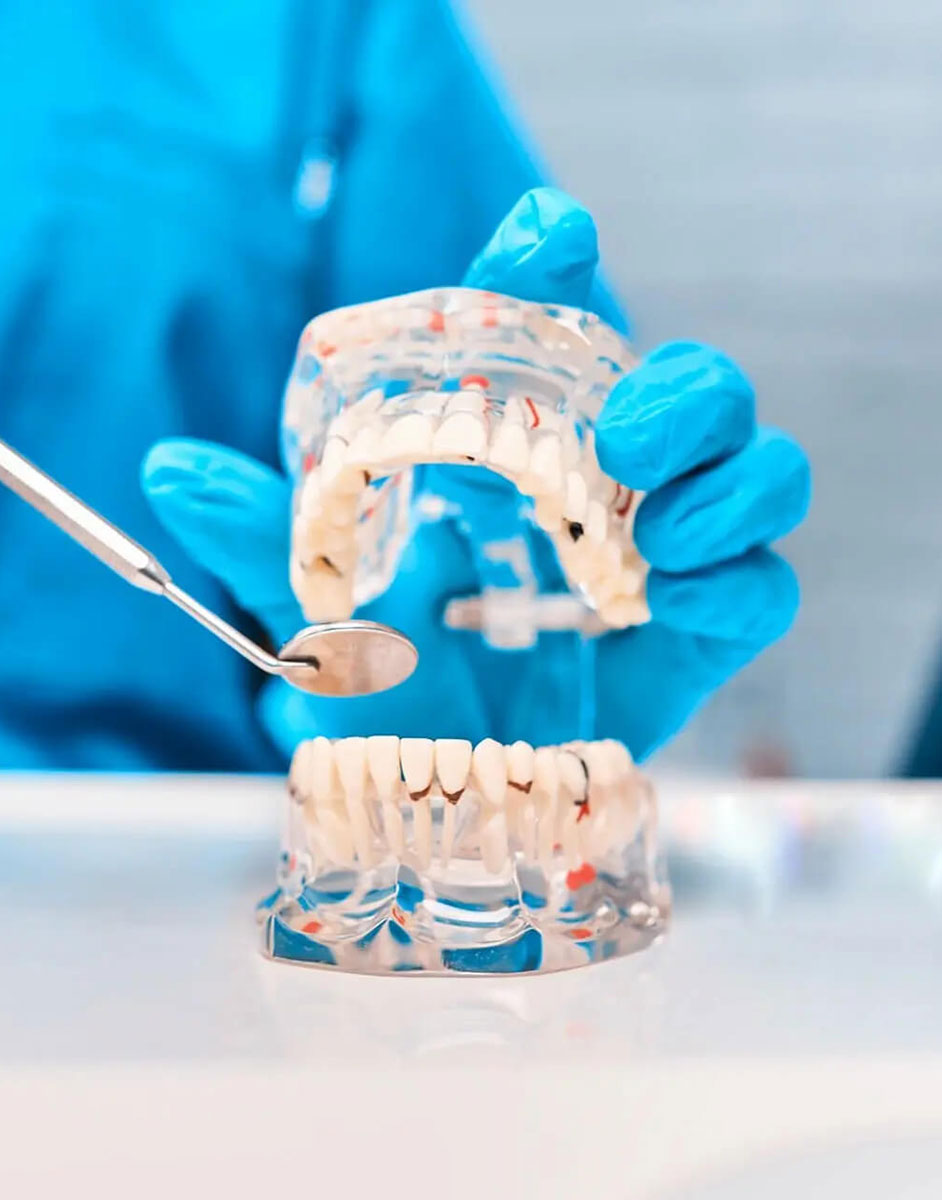
When are Dental Bridges & Crowns required?
A Crown or Bridge tooth solution is one of the best ways to replace one or more missing teeth. However, not everyone is automatically a candidate for a crown and bridge treatment. A detailed dental check-up, including X-rays and digital scans, helps experts determine whether Dental Crowns and Bridges are the right choice for your smile.
Factors that are considered before opting for Bridges and Crowns:
Missing one or more teeth
No serious infections or health issues
Healthy gums and strong bone support
Good overall oral health
Commitment to oral hygiene
Types of Dental Bridges & Crowns
Dental Bridges & Crowns come in different materials, each designed to meet specific needs for strength, durability, and appearance. Understanding the types of crowns for teeth and bridges helps you choose the right option for your smile.
Dental Crown Types
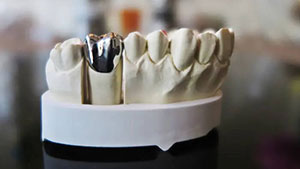
Metal Crowns
Metal Crowns are extremely strong and long-lasting. They can handle heavy chewing and are ideal for back molars. While not very aesthetic because of their metallic colour, they rarely chip or break and are great for patients needing durability.
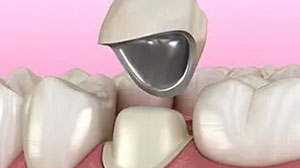
Porcelain-Fused-to-Metal (PFM) Crowns
These crowns combine the strength of metal with the natural look of porcelain. The metal inside provides solid support, while the porcelain outside blends beautifully with your natural teeth. PFM crowns are among the best dental crowns for front teeth if you want both beauty and durability.
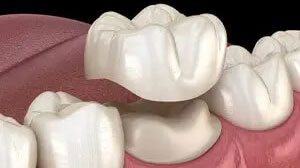
All-Ceramic or Porcelain Crowns
Ceramic Crowns are entirely metal-free and look just like natural teeth. They are the best crowns for front teeth because of their lifelike colour and translucency. However, they are more delicate compared to metal options and best suited for visible teeth rather than molars. Ceramic crowns are also preferred when a patient is undergoing an MRI.
Dental Bridges Types
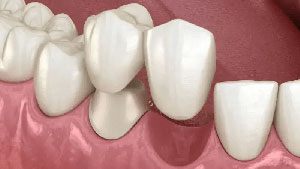
Cantilever Dental Bridge
This type is supported by a crown on only one side of the missing tooth. It’s used when there’s only one natural tooth available next to the gap.
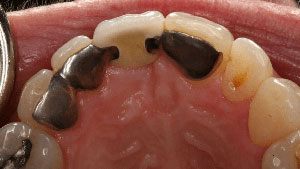
Maryland Dental Bridge
Also called a resin-bonded bridge, it uses metal or ceramic wings attached to the back of neighbouring teeth. It’s usually used for replacing front teeth due to its natural look.
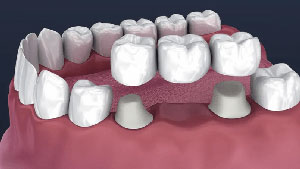
Traditional Dental Bridge
The most common type of bridge uses artificial teeth held in place by dental crowns on both sides. Ideal for patients with healthy teeth next to the missing gap.
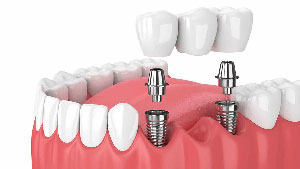
Implant-Supported Bridge
Instead of relying on crowns, this bridge uses bridge teeth implants placed into the jawbone for strong and long-lasting support. It’s ideal for patients missing multiple teeth in a row.

Exceptional care with a personal touch
At The IVY Clinics, we believe dentistry is more than treatment—it’s about trust, comfort, and lasting relationships. From your very first visit, you’re not just a patient—you’re part of our care family.
Led by experienced professionals, our clinic blends advanced dental expertise with a gentle, human approach—ensuring every smile we create is healthy, confident, and truly cared for.
- Advanced Technology, Better Outcomes
- Personalized Care Plans
- Relaxing, Spa-Like Comfort
- Flexible & Transparent Pricing
What is the procedure for getting Dental Bridge & Crowns?
1. Consultation & Planning
The supporting teeth are gently shaped to hold the new crowns securely.
2. Impressions & Temporary Bridge
We take precise impressions to create your custom fit and place a temporary bridge to protect your teeth while your permanent one is made.
3. Fabrication
Using advanced CAD/CAM technology, we craft your crown and bridge from durable, tooth-colored materials for a flawless look.
4. Final Placement
Your permanent Crown and Bridge are securely bonded, adjusted for comfort, and polished for a perfect smile.
How to maintain Dental Bridges and Crowns?
Taking good care of Crowns and Bridges helps them last for many years and keeps your smile healthy. At our crowns and bridges speciality dental clinic, we give every patient simple and easy tips to make their crown and bridge treatment last 10–15 years or more.
Daily Care Routine
To maintain the integrity of your dental bridge, brush twice a day using a soft toothbrush & fluoride toothpaste. You should also floss under the bridge using a floss threader, super floss or a water flosser to remove trapped food and plaque that can cause decay. Complement your cleaning routine by rinsing with mouthwash to reduce bacteria around your crowns and keep your breath fresh. Finally, protect your investment by avoiding hard or sticky foods as these can damage your dental bridge.
Professional Dental Care
For optimal oral health, visit our crowns and bridges specialty dental clinic every six months for a comprehensive check-up, professional cleaning, and X-rays. Please alert your dentist immediately if you experience any looseness, discomfort, or sensitivity to temperature, as these could signal underlying issues. Additionally, if you are prone to grinding your teeth while sleeping, ask about a night guard.
Pro Tip: Treat your dental crown bridge just like your natural teeth. Regular brushing, flossing, and dental visits will keep your crown and bridge treatment strong, shiny, and long-lasting!
Frequently Asked Questions
Get expert answers to your top questions about Crown and Bridge treatment.
A dental crown or bridge is a fixed restoration that replaces missing teeth using artificial teeth (pontics) anchored by dental crowns on adjacent natural teeth or implants.
With proper care, crown and bridge restorations last 10–15 years or longer, especially when using the best crown for teeth like zirconia.
Yes! Custom-fitted crown bridge teeth feel natural and restore full chewing function without irritation.
All-ceramic or zirconia-layered porcelain is the best crown for front teeth due to superior aesthetics and lifelike translucency.
No. Local anesthesia ensures comfort during the preparation and placement of your dental crown bridge.
We offer porcelain, zirconia, PFM, and gold—helping you choose the best crown for teeth based on location and function.
Most bridge treatments for teeth need 2 to 3 appointments for preparation, fabrication, and final placement of your dental bridge.
Yes—crown and bridge treatment can mask minor misalignments and gaps for a straighter appearance.
No. Unlike dentures, a crown bridge is permanently cemented for stability and convenience.
A dental crown restores one tooth; a crown and bridge replaces missing teeth using multiple connected units.
Yes, especially porcelain and zirconia crowns and bridge teeth resist coffee, wine, and tobacco stains.
Brush twice daily, floss with a bridge threader, and avoid sticky or hard food like nuts, caramel, etc.
Have questions? Get in touch!
Book Your Appointment Today
Have a question, need to book an appointment, or looking for medical guidance? Fill out the form and our healthcare team will get back to you as soon as possible with the support you need.