
Dental Fillings
Fast, Comfortable & Affordable Dental Filling Treatment You Can Trust
What is a Dental Filling?
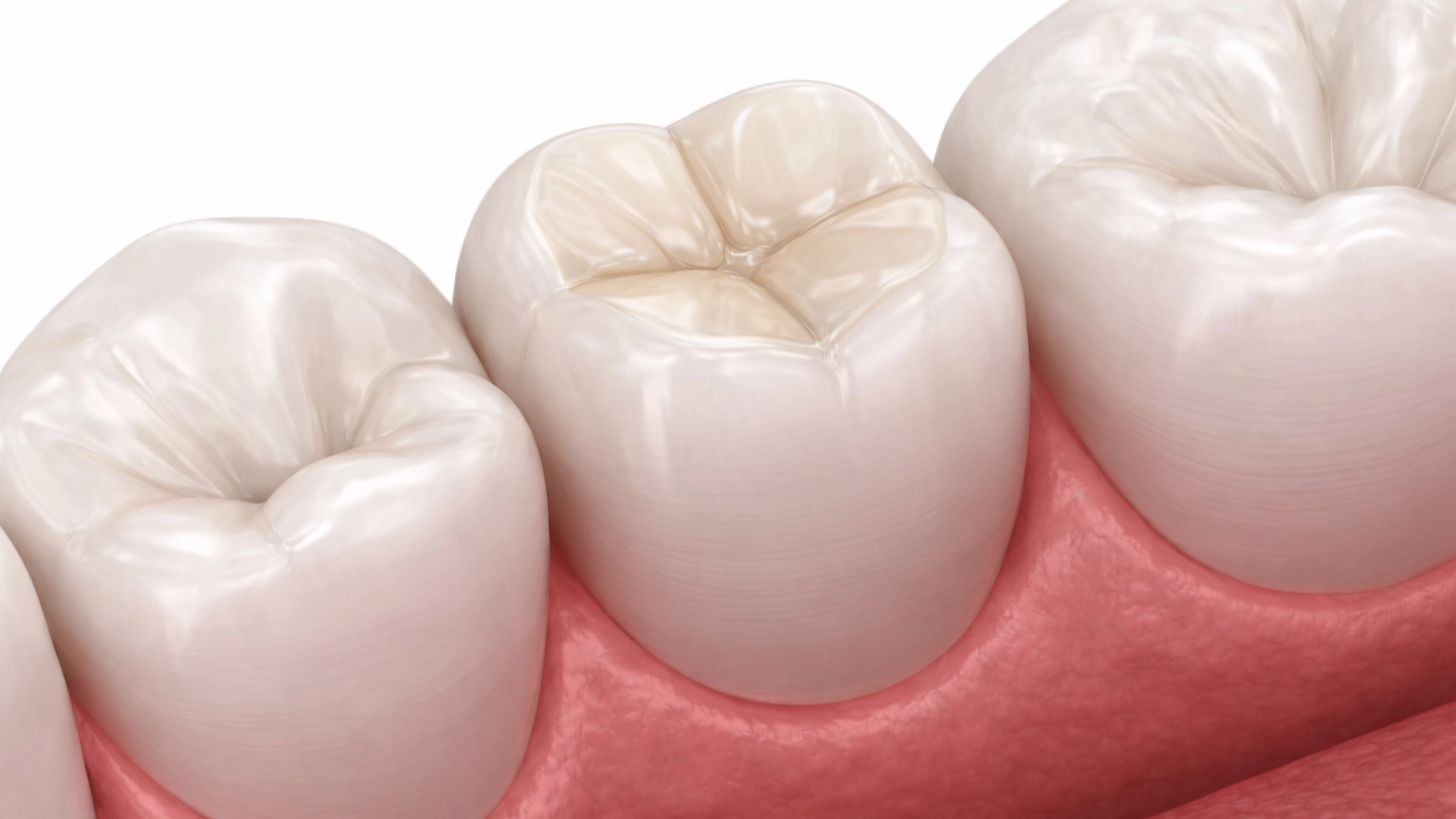
A dental filling is a simple treatment that helps repair a tooth that has a cavity or small damage. When the tooth surface is damaged due to caries, it can cause pain and sensitivity if left untreated. A filling restores the damaged structure, keeps the tooth strong, and stops the decay from spreading. During the procedure, the dentist gently removes the damaged part and restores the space with a biocompatible material. This strengthens the remaining structure, helping you bite, chew, and smile without any discomfort.
Different types of fillings are used based on the condition of your tooth. A GIC dental filling (Glass Ionomer Cement) is often chosen for children or for teeth that don’t handle strong chewing. It is tooth-coloured and even releases fluoride to protect the tooth from future cavities. Sometimes, a dentist may place a temporary dental filling when your tooth needs more time before a final treatment. This temporary filling protects the tooth, reduces pain and keeps food and germs out until the permanent filling is done. A dental filling is an easy and quick way to save your tooth early and keep your smile healthy.
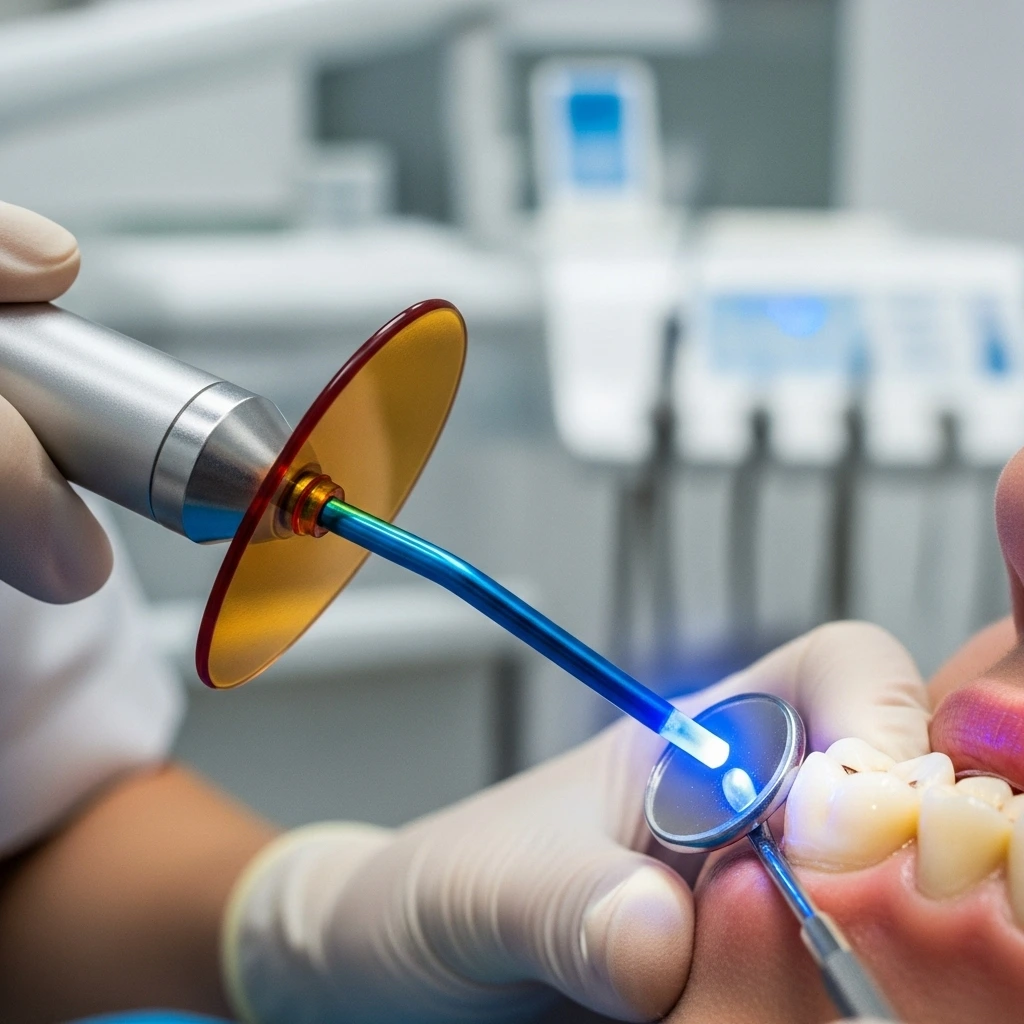
When does one need a Dental Filling?
You may need a dental filling when a tooth begins to show signs of damage or decay. A small cavity can grow bigger if not treated on time, which is why a cavity dental filling helps stop the decay early and protect the tooth.
Some common signs that you might need a filling include:
Constant Toothache
Dark spots or holes in the tooth
Food getting stuck in the same area
A chipped or broken tooth
Sensitivity to hot or cold foods
One or more small cavities
If the cavity is on a front or visible tooth, the dentist may suggest a composite dental filling, which is tooth-coloured and blends naturally with your smile. If you notice any of these symptoms, it’s important to visit the dentist early. A filling placed at the right time helps save your natural tooth and keeps your smile healthy.
Types of Dental Fillings
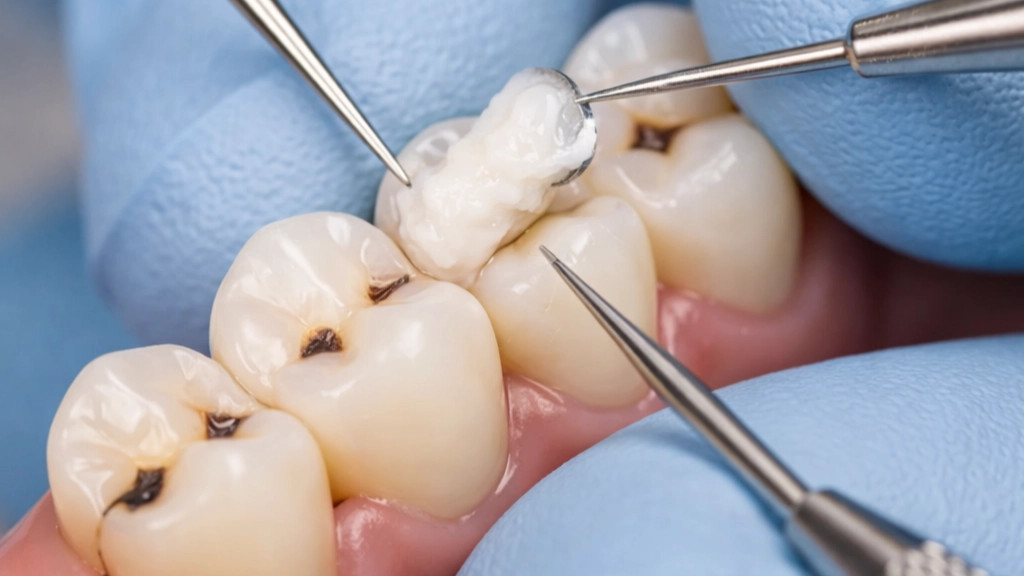
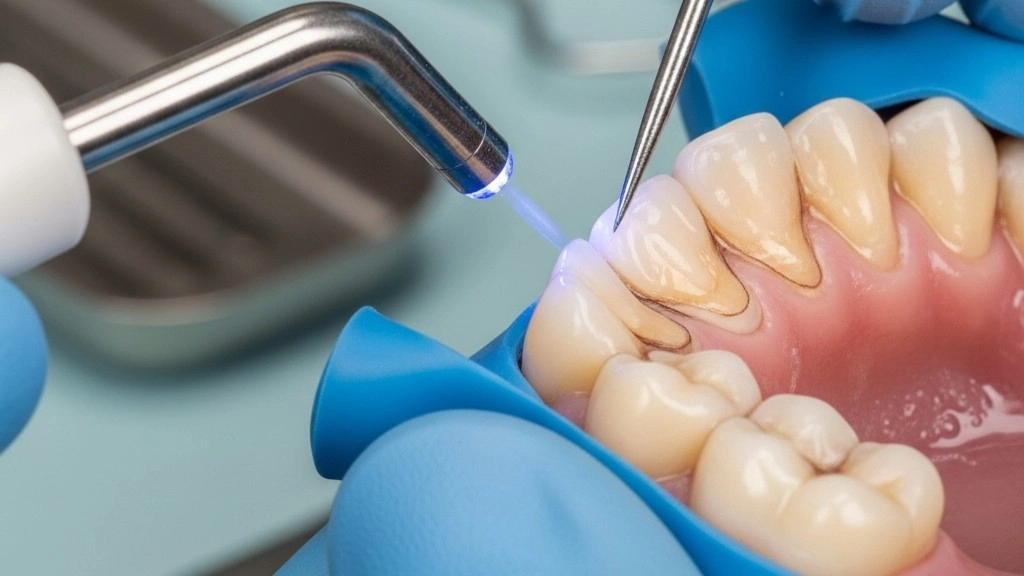
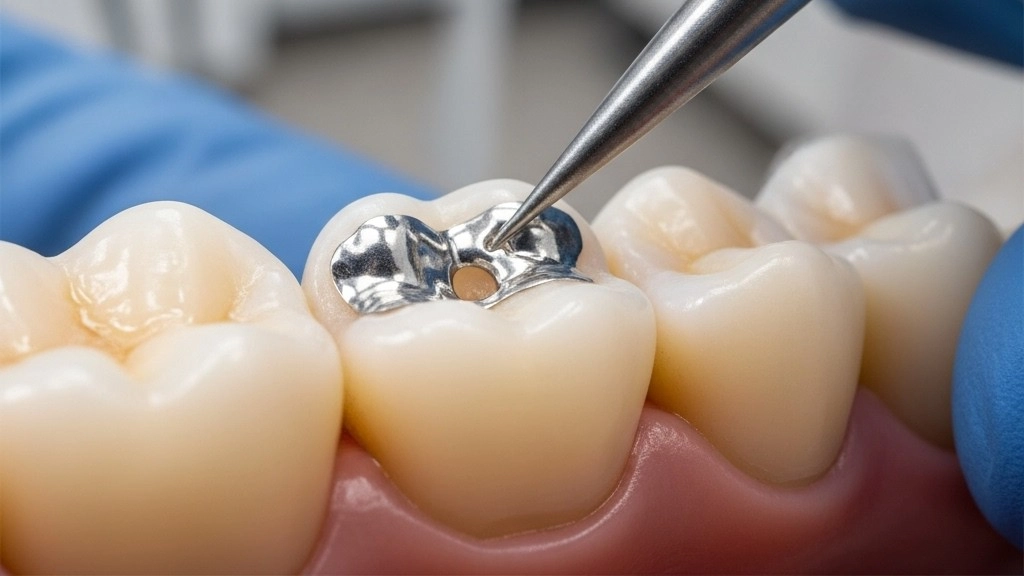
There are different types of dental fillings used to repair teeth depending on the size of the cavity, the tooth’s condition and the patient’s needs. Each filling material has its own benefits and is chosen to give the best comfort, strength and appearance.

Exceptional care with a personal touch
At The IVY Clinics, we believe dentistry is more than treatment—it’s about trust, comfort, and lasting relationships. From your very first visit, you’re not just a patient—you’re part of our care family.
Led by experienced professionals, our clinic blends advanced dental expertise with a gentle, human approach—ensuring every smile we create is healthy, confident, and truly cared for.
- Advanced Technology, Better Outcomes
- Personalized Care Plans
- Relaxing, Spa-Like Comfort
- Flexible & Transparent Pricing
Post-Treatment Care for Dental Fillings
Taking good care of your tooth after dental gap filling helps the filling stay strong and last longer. Here are some simple aftercare tips to keep in mind:
Daily Care Routine
To maintain the integrity of your dental bridge, brush twice a day using a soft toothbrush & fluoride toothpaste. You should also floss under the bridge using a floss threader, super floss or a water flosser to remove trapped food and plaque that can cause decay. Complement your cleaning routine by rinsing with mouthwash to reduce bacteria around your crowns and keep your breath fresh. Finally, protect your investment by avoiding hard or sticky foods as these can damage your dental bridge.
Professional Dental Care
For optimal oral health, visit our crowns and bridges specialty dental clinic every six months for a comprehensive check-up, professional cleaning, and X-rays. Please alert your dentist immediately if you experience any looseness, discomfort, or sensitivity to temperature, as these could signal underlying issues. Additionally, if you are prone to grinding your teeth while sleeping, ask about a night guard.
Pro Tip: Treat your dental crown bridge just like your natural teeth. Regular brushing, flossing, and dental visits will keep your crown and bridge treatment strong, shiny, and long-lasting!
Post-Treatment Care for Dental Fillings
Taking good care of your tooth after dental gap filling helps the filling stay strong and last longer.
Here are some simple aftercare tips to keep in mind:
Avoid chewing at recently treated side
Be gentle with too hot and cold meals
Keep your mouth clean
Avoid very hard or sticky foods
Watch for any discomfort
Attend your follow-up checkups
Frequently Asked Questions
A dental filling is used to repair a tooth damaged by decay or minor fractures. It fills the cavity, stops further infection and restores normal chewing. Without a filling, the decay can spread deeper and require costlier treatments later.
The dental filling cost depends on the material used, tooth location and cavity size. Composite and tooth-colored fillings may cost more, while basic options like GIC are cheaper. Your dentist will guide you on the best choice for your tooth.
A GIC dental filling (Glass Ionomer Cement) is a tooth-colored, fluoride-releasing material. It bonds well to the tooth and is often used for kids, temporary fillings and teeth not under heavy chewing pressure. It’s a safe and gentle option.
A temporary dental filling is used when the tooth needs extra time before a permanent treatment. It protects the tooth, reduces pain and prevents germs from entering. It’s commonly used between root canal steps or emergency visits.
Most fillings are painless because the dentist numbs the area. Mild dental filling pain or sensitivity afterwards is normal and usually settles within days. If the pain increases or lasts for a long time, you should get the filling checked.
A dental filling repairs a tooth with decay by removing the infected area and sealing the space with a filling material. This prevents further damage, restores strength and avoids bigger treatments such as crowns or root canals.
A composite dental filling is a tooth-colored material that blends naturally with your smile. It is durable, aesthetic and commonly used for front and back teeth. It’s ideal for visible cavities, chipped teeth and cosmetic repairs.
Important precautions after dental filling include avoiding very hard or sticky foods, chewing from the other side temporarily, and being gentle with hot or cold items. Maintain good brushing and flossing to keep the filling clean and long-lasting.
Yes, mild tooth pain after a dental filling can happen due to sensitivity, bite adjustment or nerve irritation. It usually improves in a few days. If pain worsens or lasts longer than expected, the dentist may need to check the filling.
The main types of dental fillings include composite (tooth coloured), glass ionomer (GIC), silver amalgam, ceramic, and temporary fillings. Each material has different benefits, durability, and costs depending on where the filling is placed.
A dental cement filling, often made from GIC material, bonds strongly to the tooth and releases fluoride. It is used for children’s teeth, root surface cavities and temporary restorations. It’s gentle and protects the tooth from future decay.
The dental cavity filling cost depends on the depth of decay, the filling material, the clinic location and whether additional procedures like X-rays are needed. Composite and ceramic options cost more, while GIC and temporary fillings are cheaper.
Have questions? Get in touch!
Book Your Appointment Today
Have a question, need to book an appointment, or looking for medical guidance? Fill out the form and our healthcare team will get back to you as soon as possible with the support you need.