
Advanced Gum Treatment
Complete Care for Healthy Gums and a Beautiful Smile
What Are Gum Diseases?
Gum diseases are infections or inflammations that affect the tissues supporting your teeth. These tissues include your gums, ligaments and jawbone. When plaque is a sticky layer of bacteria that builds up around the teeth, it irritates the gums and gradually damages them. Without proper gum treatment, this bacteria can destroy the supporting structures and eventually lead to tooth loss.
The earliest form of gum disease is mild inflammation, but if ignored, it can advance into deeper layers of the gums, causing gum pain, gum swelling and even gum abscesses. Many people ignore minor signs like bleeding gums, sensitive gums or loose gums, thinking it is normal. However, these symptoms often point toward early gum disease and require immediate bleeding gums treatment or swollen gums treatment.
At Ivy Clinics, patients often arrive with problems such as gum ache, gum ulcer, pus in gums or black gums without realizing that these are symptoms of gum infections. Gum diseases are not self-healing. Early detection and advanced gum treatment help prevent long-term damage and restore healthy gums.
Types of Gum Disease
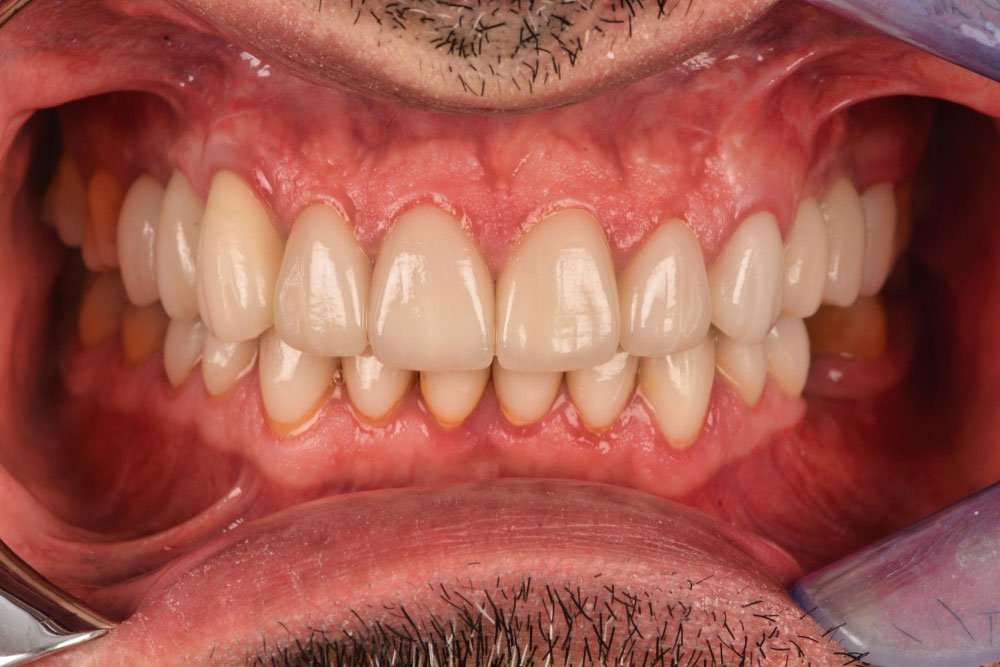
Understanding the types of gum disease helps in choosing the right gum treatment. Gum diseases usually progress in stages, each requiring a different approach.
Gingivitis
Gingivitis is the earliest and mildest stage. It involves gum inflammation caused by plaque buildup. Common signs include bleeding gums, sensitive gums, swelling and mild gum pain. Gingivitis can be fully reversed with proper gum swelling treatment and improved oral hygiene.

Periodontitis
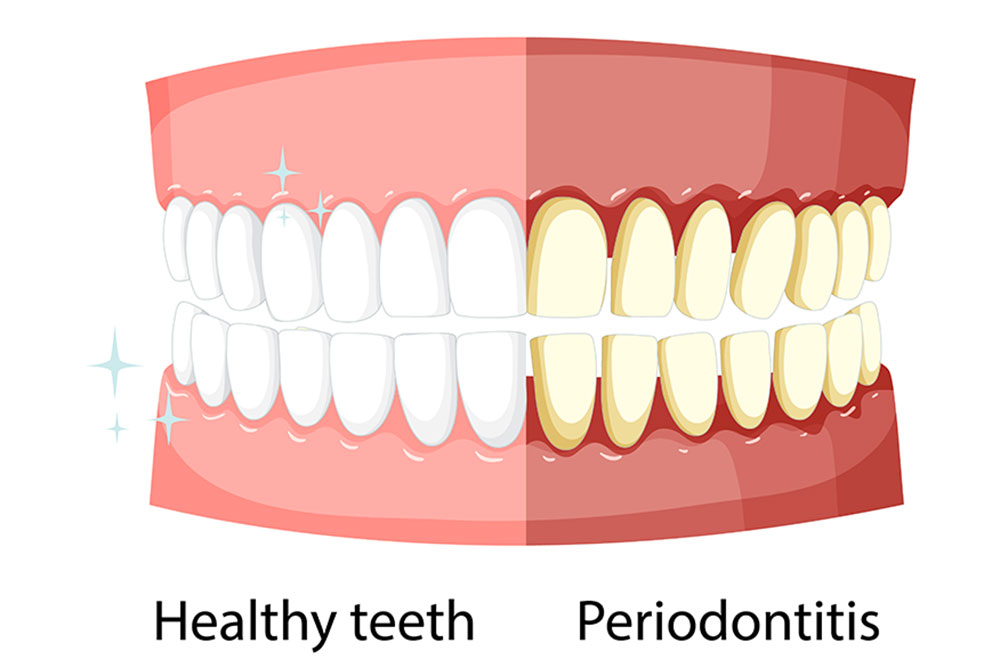
When Gingivitis is ignored, it can progress into Periodontitis. The infection spreads deeper, affecting the tissues and bones that support your teeth. Receding gums, gum recession treatment, deep pockets around teeth, pus in gums, and gum abscesses are common symptoms. Periodontitis requires advanced gum disease treatment, including deep cleaning, laser gum treatment, and surgical options.
Advanced Periodontitis
In this stage, bone loss increases, teeth may become shaky and you may experience loose gums, severe gumache, strong gum pain or gum cyst formation. Immediate professional gum infection treatment is needed to save the teeth.

Acute Gum Infections
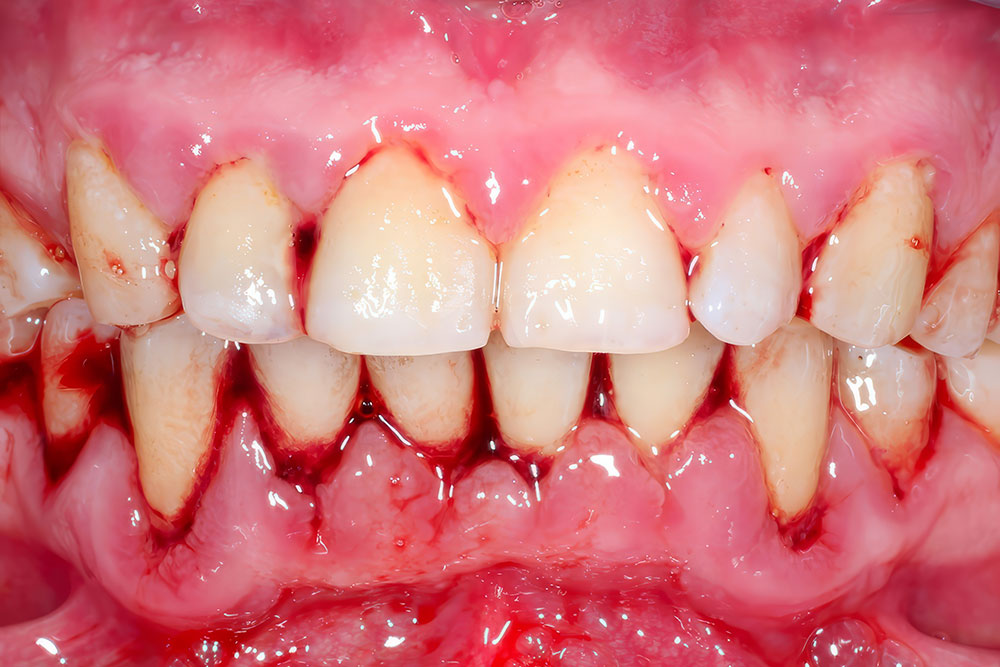
This includes sudden infections like gum ulcers, black gums due to tissue damage and severe gum inflammation. Emergency gum abscess treatment or gum swelling pain treatment may be required.
Gum Recession Disorders
Receding gums expose the roots of teeth. This condition needs specialised gum recession treatment or receding gums treatment to prevent sensitivity, tooth decay and cosmetic concerns.

Symptoms and Risk Factors of Gum Disease
Gum disease often begins silently, with mild symptoms that most people overlook.
Early detection is important to prevent complications.
Common Symptoms
- Bleeding gums while brushing or eating
- Swollen gums or painful gums
- Constant bad breath
- Red or dark gums, including black gums
- Receding gums or visible roots
- Sensitive gums
- Gum ache or gum pain
- Pus in the gums or gum abscess
- Loose gums or shaking teeth
- Gum cyst or gum ulcer
- Weak gums with difficulty chewing
- Gum swelling and pain around one or more teeth
Most of these signs point toward gum inflammation and require gum disease treatment or laser gum treatment before they worsen.
Risk Factors
- Poor oral hygiene
- Smoking or tobacco use
- Diabetes
- Hormonal changes
- Stress
- Weak immune system
- Genetic reasons
- Certain medications
- Poor nutrition
- Crooked or crowded teeth cause plaque buildup
If you fall into any risk category and have symptoms, consult a specialist at Ivy Clinics for complete gum treatment.

Exceptional care with a personal touch
At The IVY Clinics, we believe dentistry is more than treatment—it’s about trust, comfort, and lasting relationships. From your very first visit, you’re not just a patient—you’re part of our care family.
Led by experienced professionals, our clinic blends advanced dental expertise with a gentle, human approach—ensuring every smile we create is healthy, confident, and truly cared for.
- Advanced Technology, Better Outcomes
- Personalized Care Plans
- Relaxing, Spa-Like Comfort
- Flexible & Transparent Pricing
Detailed Diagnosis Process
A proper diagnosis helps create an accurate treatment plan. Gum diseases are not always visible on the surface,
so dentists use advanced tools to examine the tissues.
1. Medical and Dental History
Your dentist will ask about symptoms like bleeding gums, gum ache, gum swelling, pain or receding gums, and check if you have any medical conditions that increase gum disease risk.
2. Visual Examination
The dentist examines your gums to check for swelling, black gums, gum ulcer formation or visible gum recession.
3. Periodontal Probing
A thin measuring tool checks the depth of the gum pockets. Healthy gums have shallow pockets. Deep pockets indicate gum inflammation or infection.
4. Digital X-rays
These show bone loss, gum cysts or hidden infections. X-rays help plan gum abscess treatment and gum infection treatment.
5. Bacterial Tests
In some cases, samples are taken to determine the bacterial type affecting your gums.
6. Sensitivity Testing
This checks how sensitive the gums are to temperature changes and is useful for treating sensitive gums.
Treatment Options for Gum Disease
Modern dentistry provides several treatment methods depending on the condition. Here are the common options:
1. Professional Dental Cleaning
Used for early stages like gingivitis. Plaque and tartar are removed from the tooth surfaces and gumlines. This is essential for bleeding gums treatment and swollen gums treatment.
2. Scaling and Root Planing
A deep cleaning procedure that cleans below the gum line. It helps remove bacteria causing gum pain, gum inflammation and gum swelling.
3. Laser Gum Treatment
A highly advanced method used at IVY Clinics. It removes infected tissue using laser energy without cuts or stitches. Laser gum treatment improves healing, reduces bleeding and provides painless gum infection treatment and gum recession treatment.
4. Medication Therapy
Used for early stages like gingivitis. Plaque and tartar are removed from the tooth surfaces and gumlines. This is essential for bleeding gums treatment and swollen gums treatment.
5. Surgical Treatments
When gum disease becomes advanced, procedures like flap surgery, bone grafting or tissue grafting may be required to correct weak gums and loose gums.
6. Gum Recession Correction
Gum grafting or pinhole surgery helps treat receding gums and exposes less tooth surface, improving aesthetics and sensitivity.
7. Gum Abscess Treatment
Draining the abscess and providing antibiotics relieves pain and removes infection quickly.
8. Regenerative Procedures
These help rebuild bone and tissue lost due to severe gum inflammation.
Prevention of Gum Disease
Preventing gum disease is simple when the right habits are followed.
Daily Care Tips:
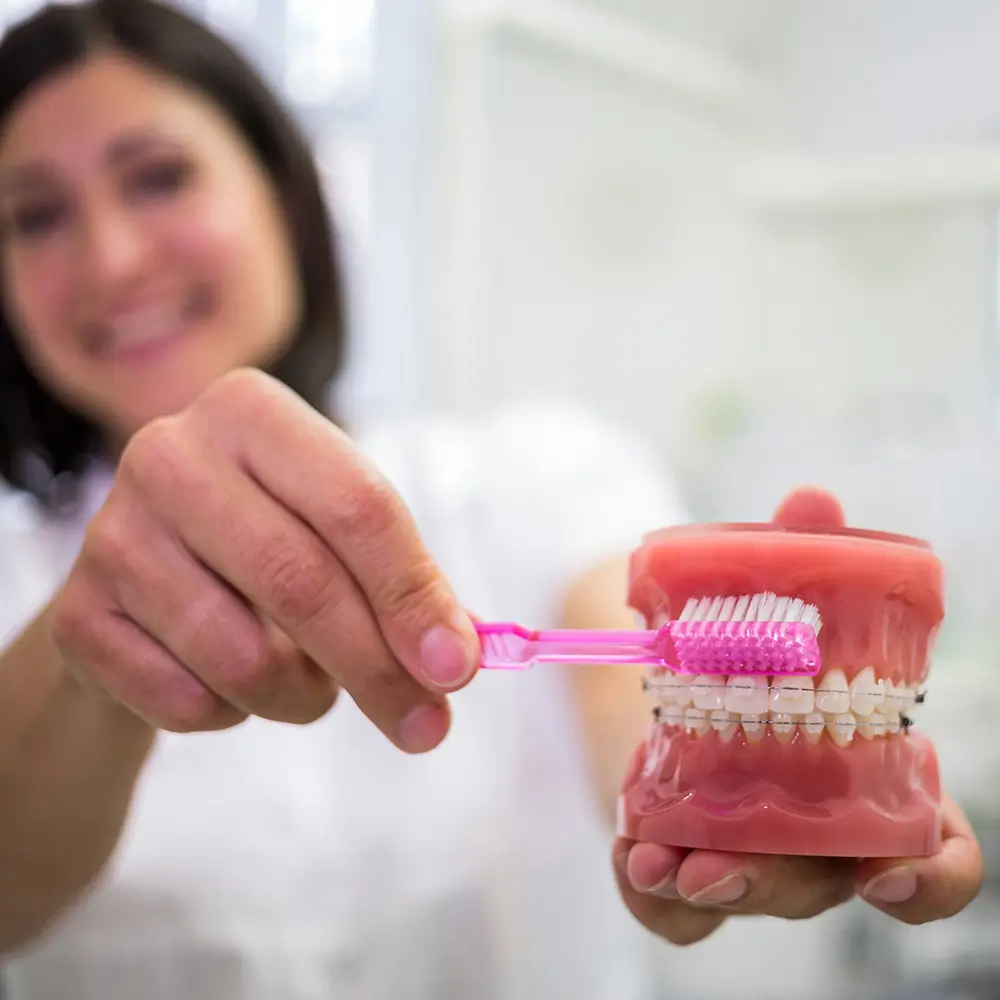
- Brush twice daily
- Floss once daily
- Use an antibacterial mouthwash
- Stay hydrated
- Maintain a balanced diet
- Avoid tobacco
- Visit a dentist every 6 months
Early prevention prevents the need for major gum swelling treatment or gum abscess treatment later.

Potential Complications of Gum Disease
Ignoring gum diseases can lead to:
- Tooth loss
- Severe gum infection
- Jawbone damage
- Receding gums
- Gum abscess
- Gum cyst formation
- Loose gums
- Constant gum pain
- Increased risk of systemic diseases
The longer you wait, the more advanced gum disease treatment becomes necessary.
Impact of Gum Diseases on Overall Health
Research shows that gum diseases affect your entire body. Chronic gum inflammation increases the risk of heart disease, diabetes issues, respiratory problems, pregnancy complications and immune-related problems.
A small gum ulcer or gum ache may indicate a deeper infection that spreads through the bloodstream. Treating gums early protects both your smile and your overall health.
When to See a Dentist for Gum Disease
Visit a dentist immediately if you notice:
- Bleeding gums
- Swollen gums
- Receding gums
- Gum pain or gum ache
- Bad breath
- Loose teeth
- Gum swelling pain
- Pus in gums
If you have any symptoms above, book a gum disease treatment appointment at IVY Clinics for early care.
Schedule Your Gum Screening Today

Price for Gum Disease Treatment
The cost of gum disease treatment depends on factors like
Severity of gum infection
Number of teeth involved
Need for laser gum treatment
Requirement of surgical work
Whether regenerative treatment is needed
Basic cleaning is affordable, while advanced procedures like gum recession treatment or gum abscess treatment cost more.
At IVY Clinics, pricing is explained clearly so patients understand every step before beginning treatment.
Frequently Asked Questions About Dentures
Gum disease treatment helps remove harmful bacteria causing gum inflammation, bleeding gums, swollen gums and gum pain. It prevents tooth loss and protects your overall health. Without proper gum treatment, infections can worsen and spread deeper, causing long-term damage.
You may need bleeding gums treatment if your gums bleed while brushing, flossing or eating. Bleeding gums are not normal and usually signal early gum disease. Treating them early prevents gum swelling, gum disease and further complications.ccordion Content
Gum recession occurs due to brushing too hard, plaque buildup, gum infections or weak gums. If you notice longer teeth, sensitivity or exposed roots. You should seek gum recession treatment or receding gums treatment immediately.
Yes, gum infection treatment removes bacteria causing gum abscess, gum cysts or pus in the gums. Early care prevents the infection from spreading to the bone or other parts of the body. Proper treatment brings fast relief from gum swelling and pain.
Laser gum treatment is minimally invasive and comfortable. It reduces bleeding, infection and recovery time. Most patients experience less gum pain compared to traditional procedures and heal faster with this modern method.
Swollen gums treatment removes plaque and bacteria, causing inflammation. It improves gum health, reduces gum swelling and pain and prevents gum disease from progressing. Immediate care ensures your gums become firm and healthy again.
Black gums may occur due to pigmentation, infection or gum disease. A dentist can check the exact cause and provide gum treatment to improve your health and appearance. Never ignore sudden colour changes.
Yes, loose gums often improve with proper gum disease treatment, scaling, root planing or regenerative procedures. Treating infections strengthens gum tissues and prevents tooth mobility from worsening.
Gum ulcers may occur due to infections, stress, weak immunity or nutritional issues. Gum ulcer treatment includes professional cleaning, medication and correcting the cause to prevent repeated sores and gum pain.
Gum disease can result from inflammation, infection or gum swelling. If the pain lasts more than 24 hours or is accompanied by bleeding, pus in the gums or loose gums, seek professional gum treatment quickly.
Gum swelling pain treatment includes cleaning, antibacterial therapy, laser gum treatment and medications. These steps reduce infection and relieve discomfort. Early care prevents swelling from turning into a gum abscess.
Sensitive gum treatment depends on the cause. Deep cleaning, gum recession treatment, desensitising agents and improved hygiene can reduce sensitivity. Regular dental checkups help maintain long-term results.
Constant gum pain signals infection or inflammation. A dentist will examine your gums and offer gum infection treatment or gum swelling treatment based on your condition. Ignoring pain increases the risk of complications.
Weak gums feel tender, bleed easily and may recede or loosen. Professional teeth gum treatment strengthens the supporting tissues and prevents gum disease from progressing into advanced stages.
Yes, gum abscess treatment should be done quickly because abscesses contain bacteria and pus that can spread. Prompt treatment relieves pain, removes infection and protects your teeth, gums and bone structure.
Have questions? Get in touch!
Book Your Appointment Today
Have a question, need to book an appointment, or looking for medical guidance? Fill out the form and our healthcare team will get back to you as soon as possible with the support you need.