Hair Transplant
Permanent, Natural-Looking Hair Restoration — Expertly Performed
What is Advanced Exosome Therapy for Hair?
A hair transplant involves harvesting healthy, genetically DHT-resistant hair follicles from the donor area (typically the back and sides of the scalp) and transplanting them into the recipient area (thinning or bald zones). Because the transplanted follicles retain the characteristics of their original location, they continue to grow permanently in their new position.
At Ivy Clinics, we offer three advanced transplant techniques:
- FUE (Follicular Unit Extraction): Individual follicular units (grafts of 1–4 hairs) are extracted one by one from the donor area using a micro-punch tool, leaving no linear scar. The grafts are then implanted into tiny incisions in the recipient area. FUE offers a quicker recovery, minimal scarring, and natural-looking results.
- FUT (Follicular Unit Transplantation / Strip Method): A thin strip of scalp is surgically removed from the donor area, and individual follicular units are dissected from it under microscopy. FUT allows a higher number of grafts to be harvested in a single session and is preferred for patients requiring larger graft counts. It leaves a fine linear scar, typically concealed by existing hair.
- DHI (Direct Hair Implantation): An advanced variation of FUE where extracted grafts are implanted directly using a specialised Choi Implanter Pen — without the need to pre-make incisions. DHI allows more precise control over the angle, depth, and direction of each graft, resulting in a higher density and more natural hairline design. It is particularly suited for hairline restoration and eyebrow transplants.
What It Treats?
- Androgenetic alopecia (male and female pattern baldness)
- Advanced hairline recession (Norwood Scale III–VII)
- Crown and vertex baldness
- Eyebrow and beard restoration
- Scarring alopecia (post-injury or post-surgery hair loss)
- Hair loss from burns or trauma
Targeted Areas
- Hairline and frontal scalp
- Crown and vertex
- Mid-scalp
- Eyebrows (eyebrow transplant)
- Beard and moustache areas
- Scar tissue areas (scar revision transplant)
Why Choose This Treatment?
- The only permanent solution for hair loss — transplanted follicles last a lifetime
- Uses your own hair — completely natural results that match your existing hair
- Three technique options (FUE, FUT, DHI) tailored to your graft requirement and goals
- DHI technique offers superior hairline density and natural direction control
- No risk of rejection — autologous procedure using your own follicles
- One-time investment for lifelong results
Treatment Process at The IVY Clinics
Comprehensive Hair Transplant Consultation
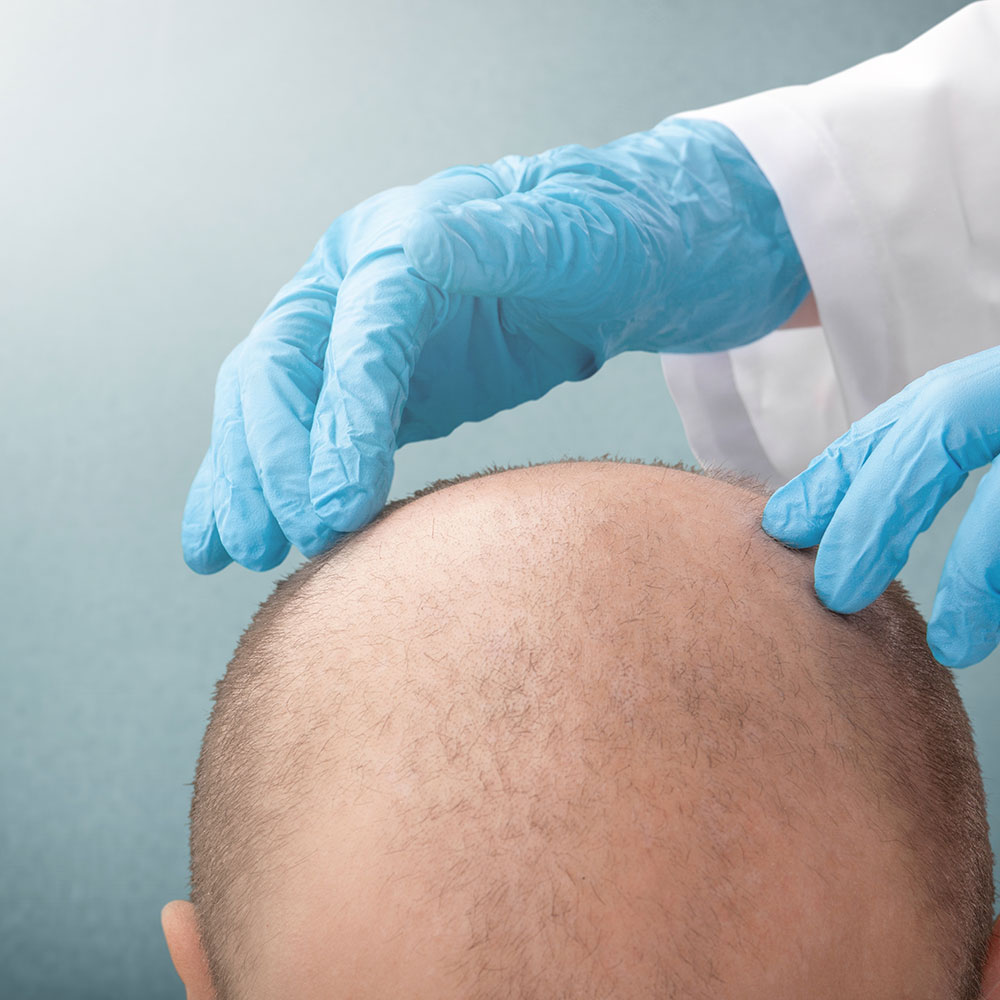
Your surgeon evaluates your hair loss pattern, donor density, scalp laxity, and the number of grafts required. The most suitable technique (FUE, FUT, or DHI) is recommended. Hairline design is discussed and planned based on your facial features and expectations.
Pre-Surgery Preparation
Blood tests are conducted. Pre-operative instructions are provided — including medications to avoid, scalp preparation, and what to expect on surgery day. The scalp is photographed and the donor and recipient zones are mapped.
Donor Area Harvesting
Under local anaesthesia, follicular units are extracted from the donor area using the chosen technique (FUE punch, FUT strip, or DHI). Grafts are stored in a specialised preservation solution to maintain viability.
Graft Preparation
The extracted grafts are examined and sorted under magnification by the surgical team. Each graft is assessed for quality and classified by unit size (1, 2, 3, or 4 hair grafts) for strategic placement.
Implantation
In FUE and FUT, tiny slits are made in the recipient area and grafts are placed individually. In DHI, the Choi Implanter Pen simultaneously creates the channel and implants the graft in one motion. The entire procedure typically takes 4–8 hours depending on graft count.
The Hair Transplant Procedure at Ivy Clinics
Hair transplant surgeries at Ivy Clinics are performed by experienced hair restoration surgeons in a fully equipped, sterile surgical suite. Pre-operative assessments include trichoscopy, donor density analysis, and graft count planning. We offer all three techniques — FUE, FUT, and DHI — and recommend the most appropriate based on your specific requirements. The hairline design is a collaborative process — your facial structure, age, and preferences are all considered. Post-operative care protocols, follow-up appointments, and a comprehensive home-care kit are included with every procedure. We maintain complete transparency on expected graft counts, session requirements, and realistic outcome timelines.
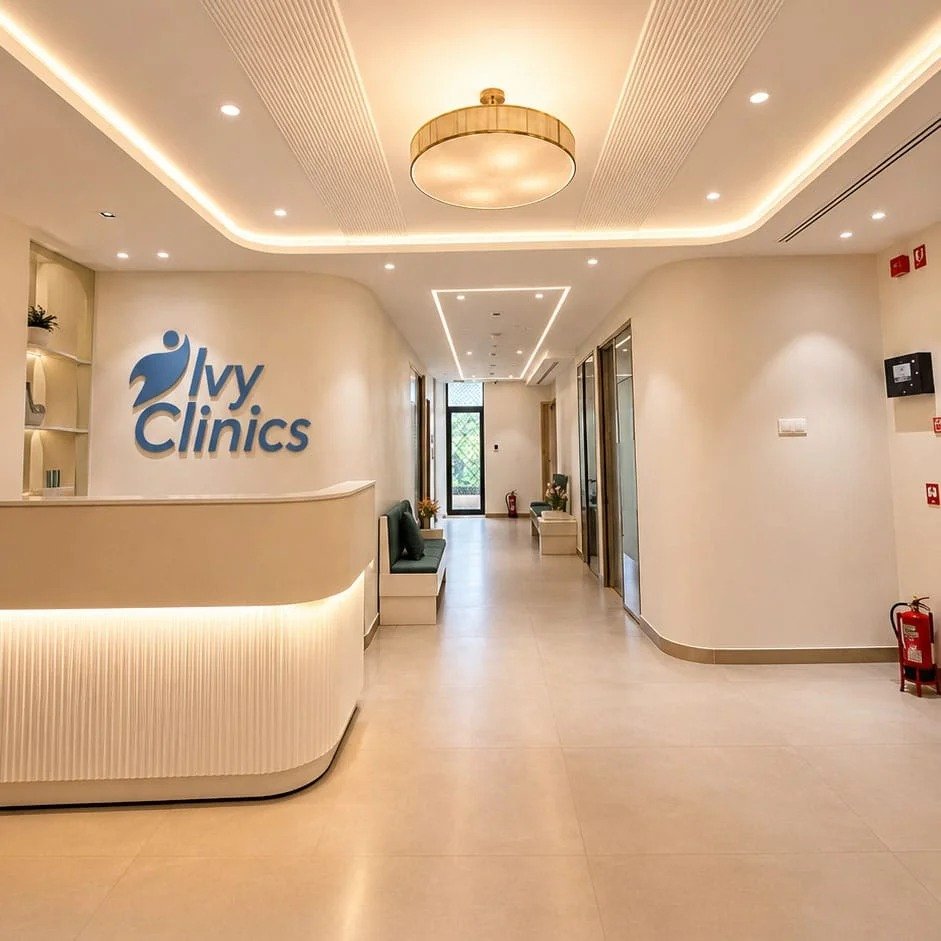
Exceptional care with a personal touch
At The IVY Clinics, we believe dentistry is more than treatment—it’s about trust, comfort, and lasting relationships. From your very first visit, you’re not just a patient—you’re part of our care family.
Led by experienced professionals, our clinic blends advanced dental expertise with a gentle, human approach—ensuring every smile we create is healthy, confident, and truly cared for.
- Advanced Technology, Better Outcomes
- Personalized Care Plans
- Relaxing, Spa-Like Comfort
- Flexible & Transparent Pricing
Is It Safe?
Yes. Hair transplantation is a well-established surgical procedure performed worldwide with a high safety and success rate. It is conducted under local anaesthesia, making it safe for most healthy adults. As with any surgical procedure, there are standard risks — minor bleeding, temporary swelling, folliculitis (pimple-like spots during healing), and shock loss (temporary shedding of transplanted hair before regrowth) — all of which are normal and managed with post-operative protocols. Serious complications are rare. At Ivy Clinics, we conduct thorough pre-operative assessments to ensure suitability before proceeding.
How to Prepare for Your Session
- Stop smoking for at least 1 week before surgery — smoking impairs blood supply and graft survival
- Avoid blood-thinning medications (aspirin, ibuprofen) and alcohol for 7 days prior
- Wash your hair with a mild shampoo the night before and morning of surgery
- Wear a loose, button-up shirt on the day — avoid pullovers that may disturb the grafts
- Arrange transport home after the procedure — you will not be able to drive
- Eat a light meal before your appointment; avoid caffeine on the day
Precautions
- Do not touch, rub, or scratch the transplanted area for at least 2 weeks
- Sleep with your head elevated (at a 45° angle) for the first 3–5 nights to minimise swelling
- Avoid direct sun exposure on the scalp for 4 weeks — wear a loose hat outdoors
- Avoid strenuous exercise and sweating for at least 2 weeks post-procedure
- Do not wash hair for the first 48 hours; follow your surgeon’s specific washing protocol from Day 3 onwards
- Avoid swimming, saunas, and steam rooms for 4 weeks
- Do not use any hair products on the scalp (gels, sprays, colour) for at least 4 weeks
What to Expect After Treatment
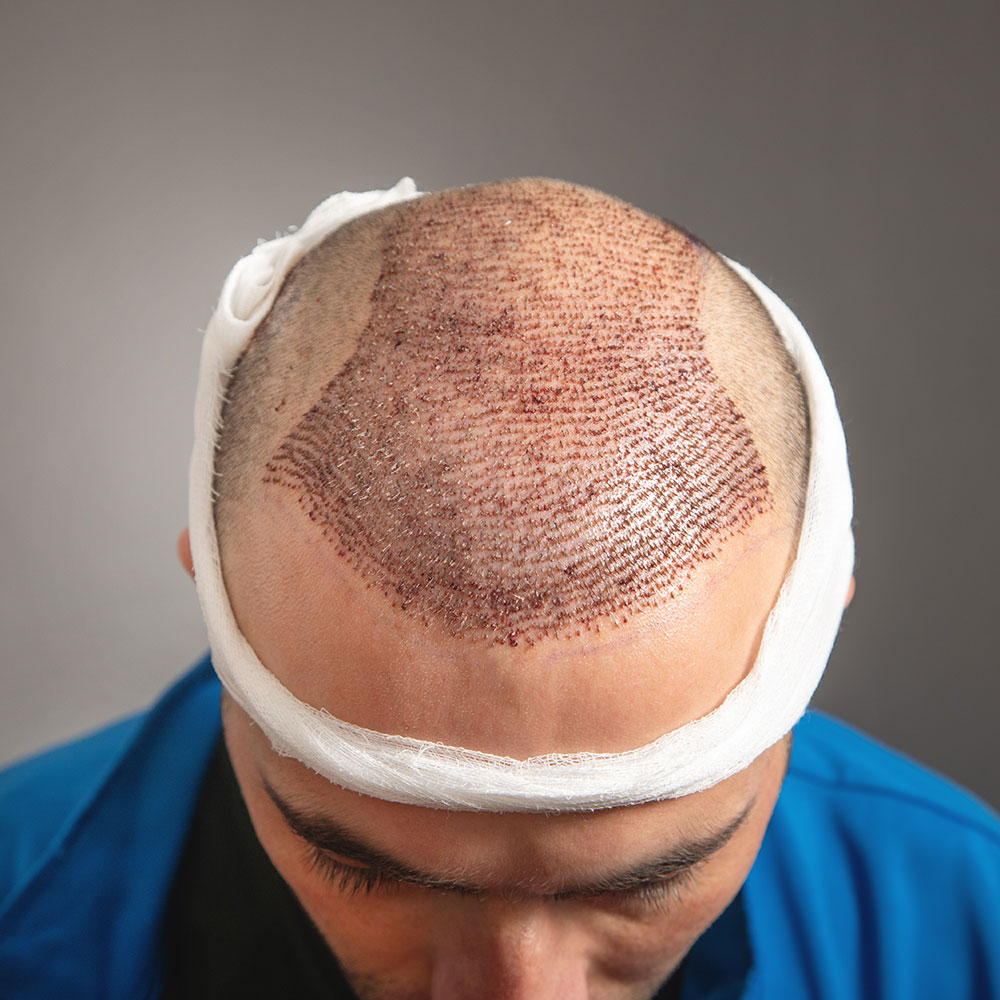
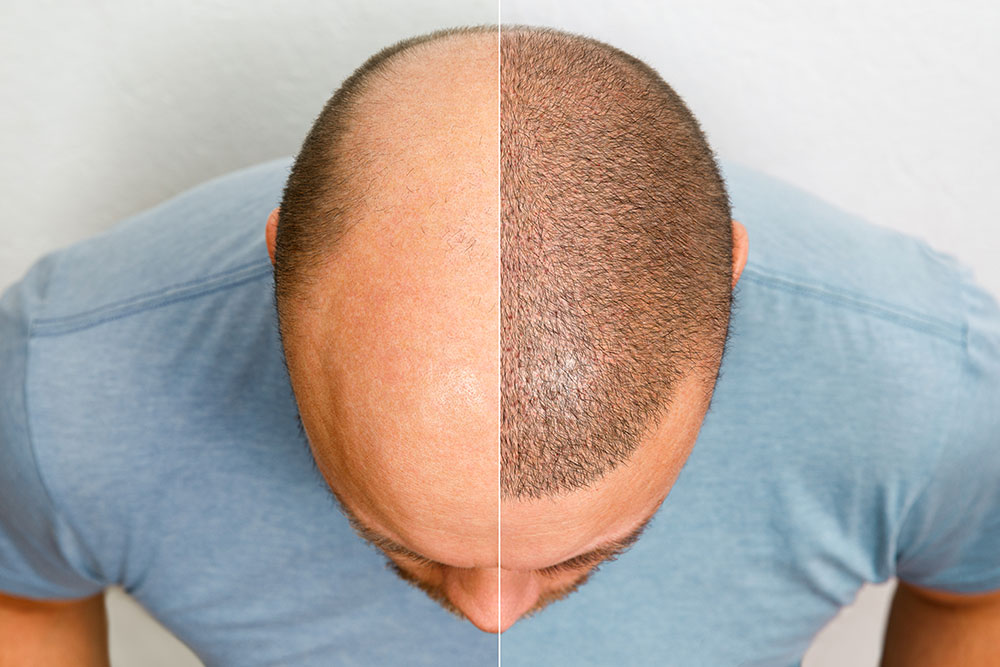
The first 2 weeks post-transplant are the most critical for graft survival — follow post-operative instructions carefully. Mild swelling of the forehead and crusting around the transplanted area is normal in the first week. Between weeks 2–8, transplanted hair will shed — this is completely normal and expected (termed “shock loss”). This does not mean the procedure has failed. New hair growth begins from the follicles at approximately 3–4 months. Significant visible growth is observed between months 6–9, with final results — full density and natural hairline — appreciated at 12–15 months post-transplant.
Have questions? Get in touch!
Book Your Appointment Today
Have a question, need to book an appointment, or looking for medical guidance? Fill out the form and our healthcare team will get back to you as soon as possible with the support you need.