
Medical-Grade Chemical Peels
Clinically Controlled Skin Renewal for Visible, Lasting Results
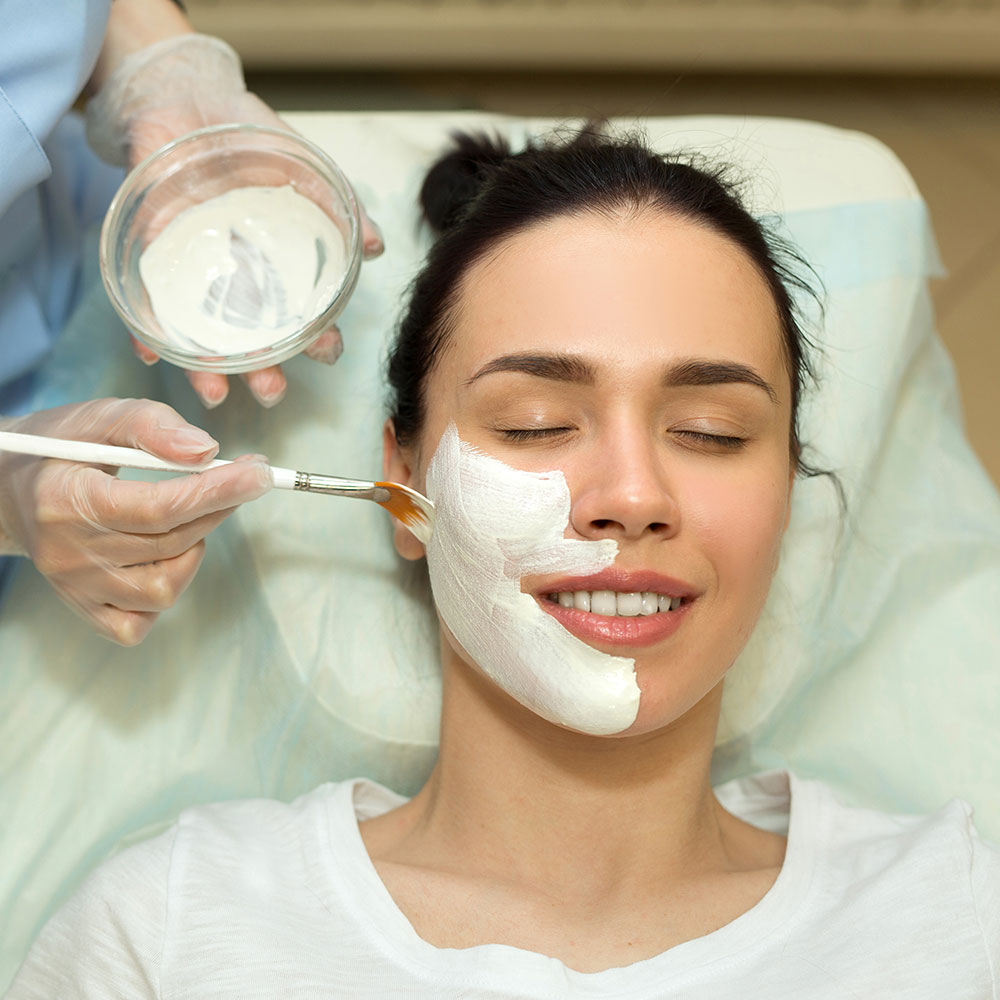
What is Medical-Grade Chemical Peels?
A chemical peel involves applying a precisely chosen acid solution to the skin, which works by breaking down the bonds between dead and damaged skin cells. As the old layer sheds, the skin underneath regenerates — smoother, brighter, and with improved texture.
At Ivy Clinics, our dermatologists select from a range of medical-grade peeling agents — including Glycolic Acid (AHA), Salicylic Acid (BHA), Lactic Acid, Mandelic Acid, TCA (Trichloroacetic Acid), and combination peels like Jessner’s Solution — based on your skin type, concern, and sensitivity. Peel depth is categorised as superficial, medium, or deep, and your dermatologist recommends the most appropriate level for safe, effective results.
What It Treats?
- Hyperpigmentation and melasma
- Active acne and post-acne marks
- Uneven skin tone and dullness
- Fine lines and photoaging
- Sun damage and tanning
- Open pores and oily skin
- Rough or dull skin texture
Targeted Areas
- Full face
- Neck and décolletage
- Back (acne-prone)
- Arms and legs
- Underarms
Why Choose This Treatment?
- Medical formulations that penetrate at precise, controlled depths — unlike salon peels
- Customised acid selection based on your specific skin concern and Fitzpatrick skin type
- Visible improvement in tone, texture, and radiance after just 1–3 sessions
- Treats multiple concerns simultaneously (e.g. pigmentation + acne + pores)
- Non-invasive with minimal downtime for superficial and medium-depth peels
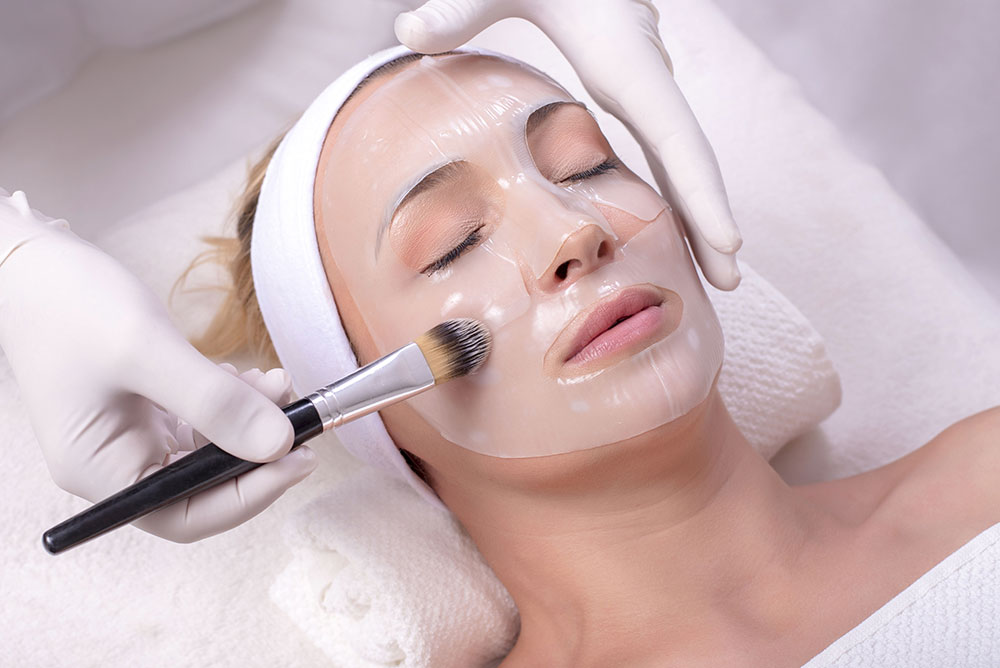
Treatment Process at The IVY Clinics
Skin Consultation & Analysis
Your dermatologist assesses your skin type, current concerns, and medical history. A peel protocol is recommended — including which acid, strength, and number of sessions.
Pre-Peel Preparation
The face is cleansed thoroughly and degreased to allow even penetration. Eye protection is applied.
Peel Application
The selected peel is carefully applied to the face in controlled layers. You may feel a mild tingling or warming sensation. The peel is left on for the appropriate contact time, then neutralised and a second peel may be applied depending on your concern and kept as a leave on peel to be washed after 4-6 hours.
Post-Peel Treatment
A soothing serum and sunscreen are applied immediately. Your dermatologist will advise on post-care for the next 48–72 hours.
Peeling & Recovery Phase
Skin may appear slightly red and begin to flake over the next 3–7 days (depending on peel depth) — this is the intended exfoliation process. New, refreshed skin emerges within a week.
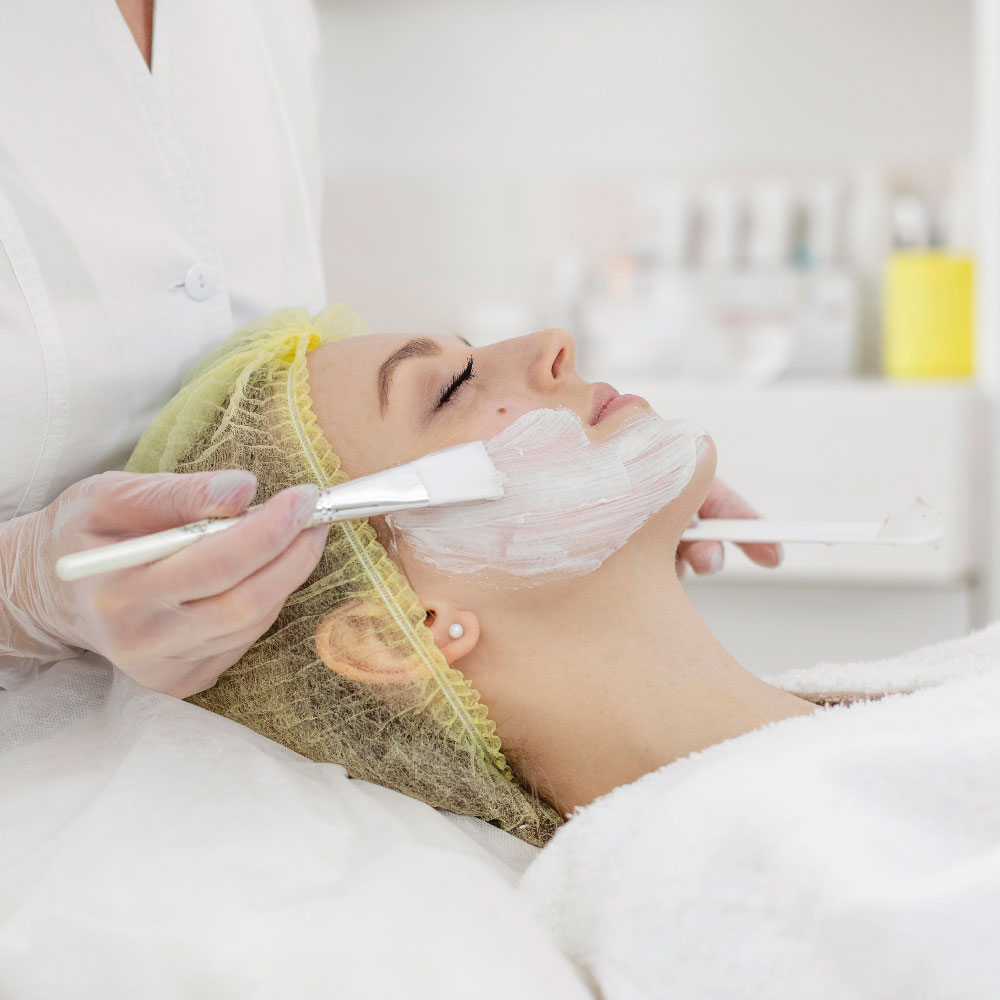
The Medical-Grade Chemical Peels Procedure at Ivy Clinics
At Ivy Clinics, all chemical peels are performed exclusively by our qualified dermatologists — never by unqualified staff. We use medical-grade peeling solutions sourced from internationally certified brands. Peel strength is calibrated to your skin’s specific needs — we do not apply one-size-fits-all protocols. Our sterile clinic environment and post-peel care protocols ensure comfortable recovery with minimal risk. A minimum of 2 weeks of pre-peel priming may be recommended for some skin types to maximise results and reduce downtime.
Is It Safe?
Yes, when performed by a trained dermatologist. Medical-grade peels involve precise acid concentrations and contact times that must be managed carefully. At Ivy Clinics, every peel is administered by a qualified dermatologist with in-depth knowledge of skin anatomy and reactions. Superficial and medium-depth peels carry minimal risk for most skin types. Patients with darker skin tones (common in India) are assessed carefully to minimise the risk of post-inflammatory hyperpigmentation (PIH) — a specific concern that our dermatologists are well-trained to manage.
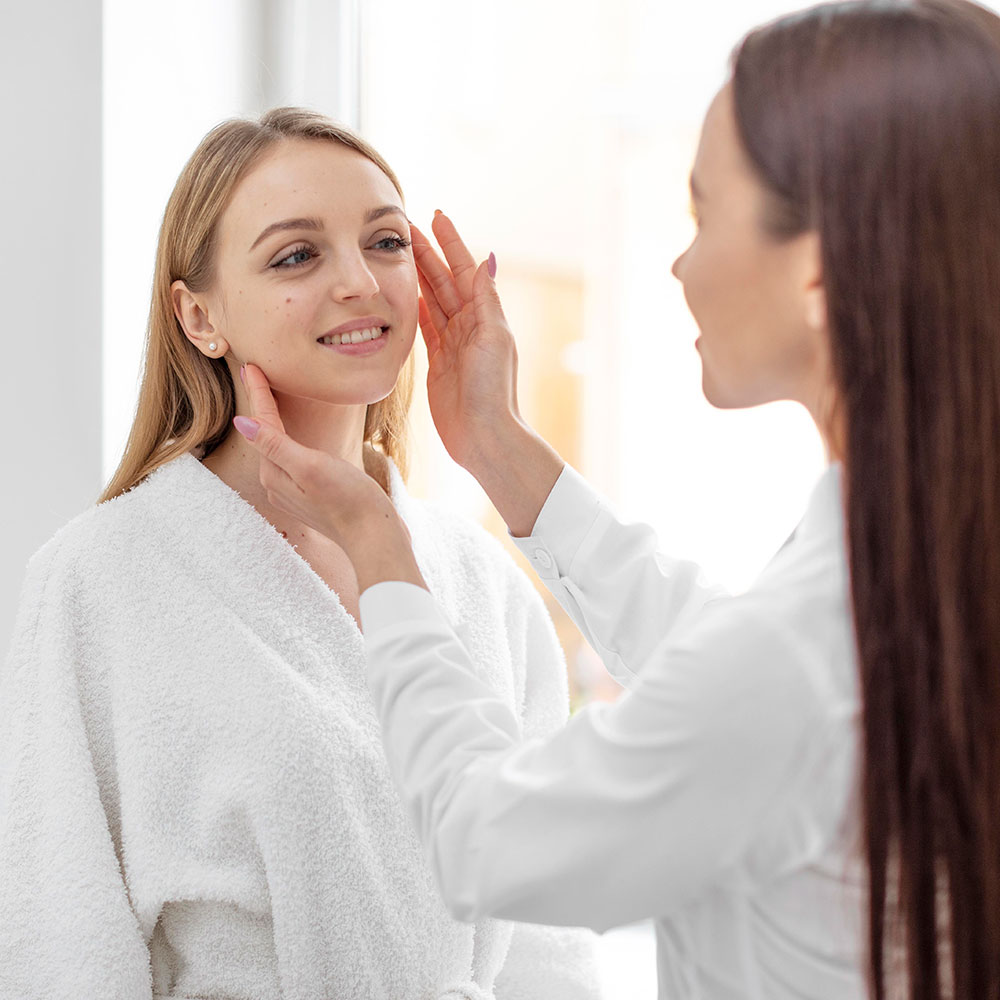
How to Prepare for Your Session
- Avoid retinoids, exfoliants (AHA/BHA), and active serums for 3-4 days before treatment
- Avoid sun exposure and tanning for at least 2 weeks prior
- Keep the skin well-moisturised and hydrated in the days leading up to the peel
- Do not wax or thread the treatment area within 3 days of the peel
- Inform your doctor of any recent skin treatments or active skin conditions
Precautions After LHR
- Apply sunscreen (SPF 50) every day without fail after the peel
- Do not pick, peel, or rub the skin during the shedding phase — let it shed naturally
- Avoid active ingredients (retinoids, vitamin C, AHAs) for at least 5–7 days post-peel
- Avoid makeup for 24–48 hours post-treatment
- Do not swim or use saunas for 48 hours after the peel
What to Expect After Treatment
Immediately after the session, skin may appear mildly red and feel tight — this is normal. Over the next 3–7 days, the skin will gently peel and flake, revealing a fresher, brighter complexion underneath. It is essential to moisturise consistently and apply SPF every morning during this period. Most patients notice a visible improvement in skin tone, clarity, and texture within 7–10 days of the session. A series of 3–6 sessions, spaced 3–4 weeks apart, is typically recommended for optimal results.
Have questions? Get in touch!
Book Your Appointment Today
Have a question, need to book an appointment, or looking for medical guidance? Fill out the form and our healthcare team will get back to you as soon as possible with the support you need.