Complete 12-Month Guide for Hair Transplant Recovery and Aftercare
Undergoing a follicular unit extraction (FUE) procedure is a life-changing decision that requires an investment of both time and trust. However, the ultimate success of your new hairline does not rely solely on the surgeon’s skill in the operating theater. It heavily depends on how well you protect those fragile new grafts in the days and weeks following your procedure. If you are preparing for surgery, understanding the proper timeline for hair transplant recovery and aftercare Tricity is crucial for achieving maximum graft survival and a dense, natural-looking result.
At IvyClinics, we believe that patient education is just as important as surgical precision. While the micro-incisions in the scalp heal incredibly fast, the newly implanted hair follicles undergo a complex biological transition before they permanently take root and sprout visible hair.
To help you navigate this journey with complete confidence, our medical team has outlined a transparent, step-by-step roadmap. This guide covers exactly what you will experience, what you should avoid, and how we support your hair transplant post op care Chandigarh and Mohali.
The Importance of Proper Hair Transplant Recovery and Aftercare Tricity
Many patients assume that once the surgery is complete, the hard part is over. In reality, the first 14 days dictate the survival rate of your transplanted follicles. Because the newly placed grafts have not yet established a secure blood supply in the recipient area, they can be easily dislodged by physical trauma, aggressive washing, or high blood pressure spikes.
Following a strict protocol for hair transplant recovery and aftercare Tricity ensures that you minimize the risk of infection, reduce uncomfortable swelling, and give your hair the best possible environment to thrive.
Days 1 to 7: The Critical Healing Window
The first week is the most delicate phase of your recovery. Adhering to clinical guidelines during this time is absolutely non-negotiable.
- Days 1 to 3: You may experience mild swelling around your forehead and eyes. This is a normal reaction as the localized anesthesia fluid descends due to gravity. Your scalp will feel slightly tight and tender, and tiny red pinprick scabs will begin to form around each transplanted graft.
- Days 4 to 7: The swelling will completely subside. The tiny scabs will begin to dry out, harden, and naturally lift. Itching is very common during this phase as the skin heals, but you must resist the urge to scratch. Scratching can literally pull out the fresh grafts.
Critical Aftercare Rules for Week 1:
- Sleep Elevated: According to standard medical guidelines, you should sleep with your head elevated at a 45-degree angle using two pillows or a travel neck pillow for the first 5 to 7 nights. This prevents forehead swelling and protects the grafts from rubbing against the bed.
- No Touching: Do not touch, rub, or pick at the recipient area under any circumstances.
- The First Wash: Our clinical team at IvyClinics will guide you through your first gentle head wash (usually on Day 2 or 3). You will use a specialized foaming shampoo and pour water gently from a cup—never directly from a high-pressure showerhead.
- Avoid Physical Exertion: No heavy lifting, bending over to tie shoes, or strenuous gym workouts. Blood pressure spikes can cause the grafts to pop out.
Weeks 2 to 4: Scab Removal and the “Shock Loss” Phase
By the start of Week 2, the transplanted grafts are firmly anchored into your scalp, and the surface micro-incisions have healed. This phase brings two major milestones in your hair transplant recovery and aftercare Tricity journey:
- Scab Removal (Days 10-14): With daily, gentle washing as instructed, the dried scabs will begin to flake off naturally. By the end of the second week, your scalp should be completely free of scabs, revealing tiny, dark hair stubbles.
- The Shock Loss Phase (Weeks 3-4): This is the stage that panics many uninformed patients, but it is 100% biologically normal. Around the third or fourth week, the transplanted hair shafts will begin to fall out. Do not panic. This phenomenon is known as “shock loss.” The micro-trauma of the surgery causes the visible hairs to shed, but the actual follicular root remains safely alive and secure beneath the skin, entering a brief resting phase.
During this time, you can safely resume light cardio (like brisk walking), but you should still avoid contact sports, swimming pools, and direct sun exposure on the scalp.
Months 2 to 4: The Resting Phase and Early Growth
During the second and third months, your recipient area may look exactly as it did before the surgery. The scalp is fully healed, but the follicles are dormant. Patience is your greatest ally during this period.
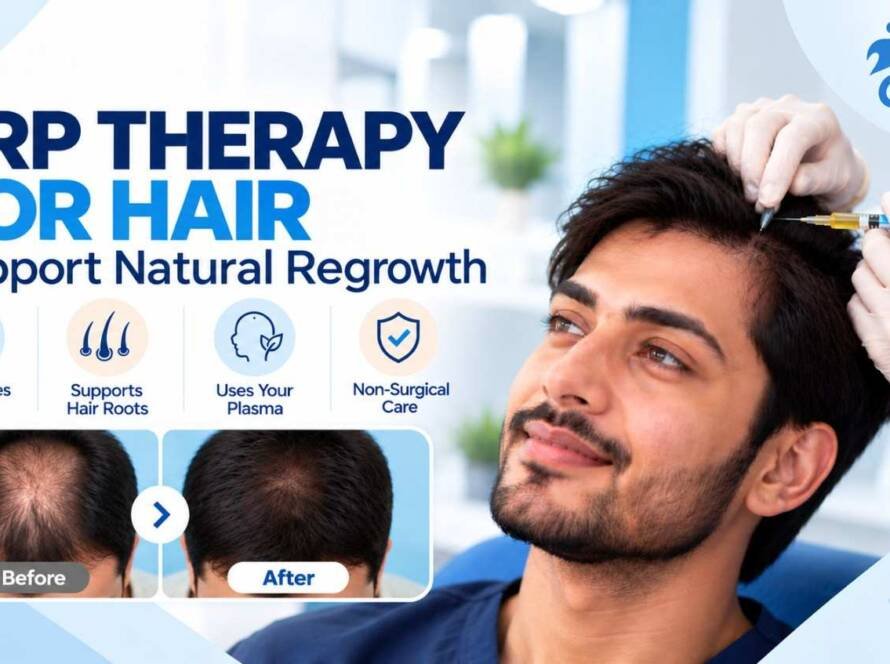
By Month 4, the magic begins. The dormant follicles transition back into the active growth phase (Anagen). You will notice fine, thin, and often unpigmented “baby hairs” (vellus hairs) pushing through the scalp. At this stage, your IvyClinics dermatologist may recommend specialized PRP (Platelet-Rich Plasma) therapy to accelerate cellular turnover and aggressively boost this early growth phase.
Months 6 to 12: Density Building and Maturation
The transformation truly accelerates in the latter half of the year, showcasing the ultimate results of your strict adherence to hair transplant recovery and aftercare Tricity guidelines.
- Month 6: You will achieve approximately 50% to 60% of your final visible density. The new hairs will begin to thicken in diameter, darken in color, and take on the natural texture of your native hair.
- Month 9: The coverage becomes significantly denser and longer. You can now confidently visit a barber, cut your hair, and style it as you please.
- Month 12 to 15: Congratulations, you have reached the finish line! The final aesthetic outcome of your transplant is fully realized. The hair is thick, robust, and permanent.
A Quick Timeline for Returning to Normal Activities
For patients wondering how a transplant affects their daily routine, here is a quick reference guide provided by our specialists for safe graft healing Tricity:
| Activity | When You Can Safely Resume It |
| Returning to Desk Work | 3 to 7 Days |
| Wearing a Loose Hat | 10 to 14 Days |
| Light Exercise (Walking) | 10 to 14 Days |
| Heavy Gym / Weightlifting | 3 to 4 Weeks |
| Swimming (Chlorine/Salt Water) | 4 Weeks |
| Getting a Haircut (Clippers) | 4 Weeks |
Why Expert Supervision Matters at IvyClinics
Proper healing requires more than just a printed list of instructions. As the best hair transplant clinic IvyClinics prides itself on delivering continuous, hands-on medical support throughout your entire 12-month journey.
We provide our patients with specialized post-operative care kits—including sterile saline sprays, medical-grade foaming shampoos, and anti-inflammatory medications. More importantly, our dermatologists schedule regular clinical follow-ups at the 1-month, 3-month, and 6-month marks to monitor your graft survival and ensure your scalp environment remains perfectly optimized for growth.
Frequently Asked Questions (FAQs)
- How long does the swelling last after a hair transplant?
Swelling is completely normal and typically peaks on Day 2 or 3. By following our hair transplant recovery and aftercare Tricity guidelines and sleeping elevated, it should completely resolve by Day 5.
- When can I wash my hair normally again?
You must use the gentle “cup pouring” method for the first 10 to 14 days. After the scabs have fully cleared (usually around Week 2), you can slowly return to normal showering under gentle water pressure.
- Is shock loss permanent?
No. Shock loss is a temporary shedding of the hair shaft. The living root remains secure under the skin and will sprout new hair in 3 to 4 months.
- Can I wear a cap or helmet after the surgery?
You should avoid anything touching the recipient area for the first 10 days. After 10 to 14 days, you can wear a loose-fitting cap. Hard helmets (like motorcycle helmets) should be avoided for at least 3 to 4 weeks to prevent friction on the new grafts.
Conclusion
The journey to restoring your hair is a marathon, not a sprint. While the initial shedding phase requires patience, adhering strictly to your hair transplant recovery and aftercare Tricity guidelines guarantees that your investment will yield a lifetime of permanent, natural hair.
At IvyClinics, our commitment to you extends far beyond the operating room. We are by your side every step of the way, ensuring your recovery is safe, comfortable, and highly successful.
If you are ready to take the first step toward permanent hair restoration with a team that truly cares about your results, we are here for you.
Book your comprehensive hair restoration consultation at IvyClinics today.
WhatsApp/Call: 95095 33133